Your curls look great on Monday. By Wednesday they are flat, frizzy, or both. That is not because you are doing something wrong. It is because 3A hair is one of the harder curl types to keep consistent. Your curls are loose. They are also fine. That mix means most curly hair advice out there is either too heavy for your hair or too light to hold a curl at all.
This guide gives you a full 3A curly hair care routine, from the shower to bedtime. You will learn what to do on wash day, what to skip, and how to keep your curls looking the same on day four as they did on day one. No fancy science talk. Just what tends to work for the 3A hair type, step by step.
This post may contain affiliate links, which means I’ll receive a commission if you purchase through my links, at no extra cost to you. Please read full disclosure for more information.
How to Tell If You Have 3A Curls
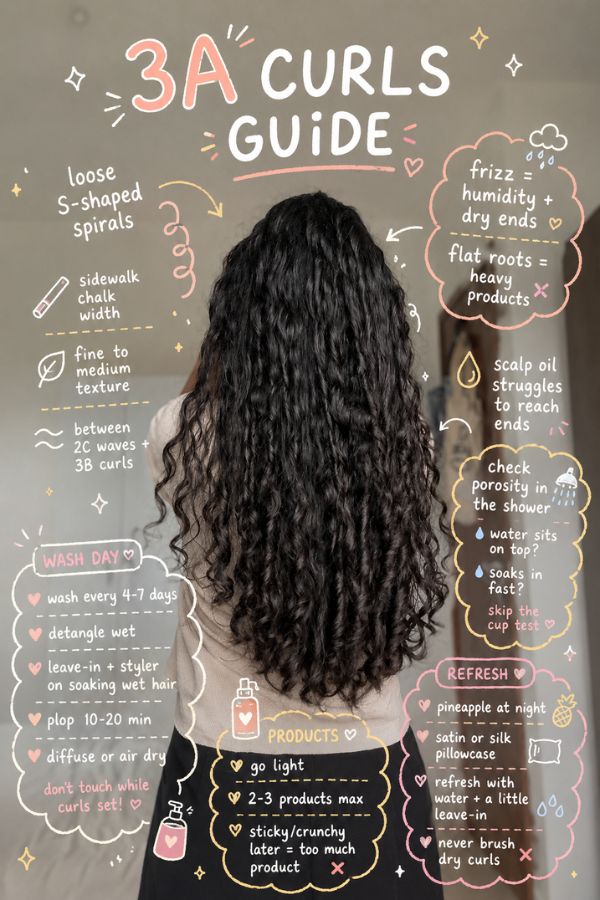
Curl types run from 1, which is straight, to 4, which is tight coils. The 3s are spiral curls, and 3A sits at the loose end of that group.
3A curls usually:
- Form a clear S shape
- Measure about the width of a piece of sidewalk chalk
- Feel fine to medium, not thick or coarse
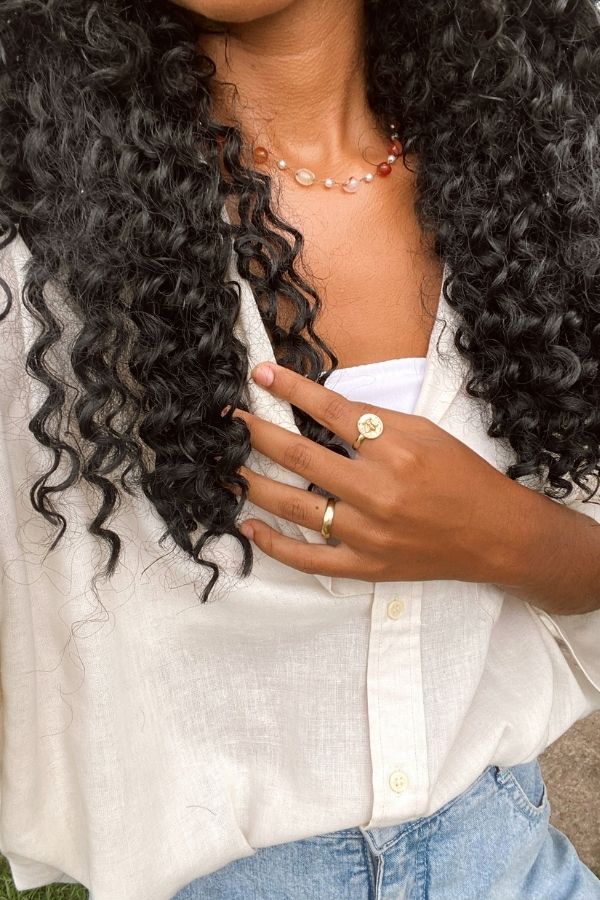
- Look bouncy and full of movement, not tight or coiled
A quick way to check is to hold a piece of chalk next to one of your dry curls. If the curl wraps close to that size, you likely have 3A hair. If your curls look more like a wave that never quite closes into a spiral, you might actually have 2C hair. If your curls are tighter and closer to the width of a marker, you are probably closer to 3B.
Knowing this matters. A routine built for 3C or 4A hair uses products that are too heavy for 3A curls. A routine built for 2B hair will not hold a 3A curl at all. Once you know your type, you can stop wasting money on products that were never made for you.
Why Do 3A Curls Get Frizzy and Flat?
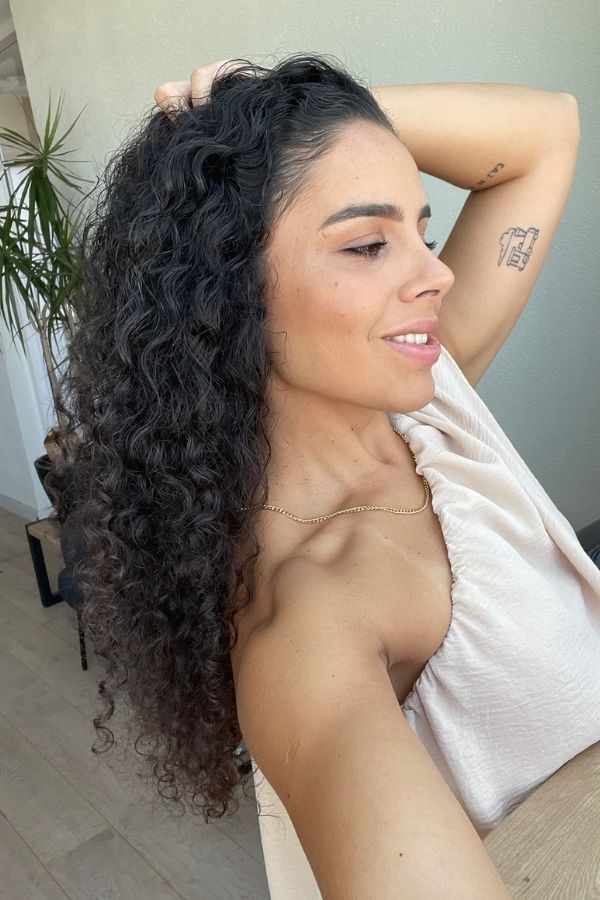
Ask yourself this. Do your curls look perfect after washing, then go flat by lunch? Or do they frizz up the second the weather changes? If so, you are not alone. This is one of the most common complaints in the curly hair community.
A few reasons this tends to happen, based on what a lot of people with curly hair report:
- 3A hair is fine, so heavy products weigh it down fast.
- Curly hair in general reacts more to humidity than straight hair, so curls can swell and frizz when the air gets damp.
- Natural oil from your scalp has a hard time traveling down a spiral shape, so your ends can dry out while your roots stay oily.
- Curls that get touched, brushed, or rubbed while wet or drying tend to lose their shape and frizz up.
None of this means your hair is broken. It means the care it needs is specific. The rest of this guide walks through what that care looks like.
The One Thing to Check Before You Buy Any Product

Before you buy a single product, there is one thing worth figuring out: your hair’s porosity.
Porosity is how easily your hair takes in and holds onto water and product. It changes how you should wash, condition, and style your curls.
Here is a simple way to get a rough idea, based on how your hair behaves in the shower:
- If water tends to sit on top of your hair for a while before soaking in, and product feels like it just sits there, that often points to lower porosity.
- If your hair soaks up water fast and also dries out again quickly after styling, that often points to higher porosity.
You may have seen the “cup test,” where you drop a strand of hair in a glass of water and watch if it floats or sinks. It is popular, but some hair educators actually think the cup test is not a reliable way to check porosity. So treat it as a fun experiment, not a rule to build your whole routine around. Instead, pay attention to how your hair acts on wash day. That tells you more.
Lower porosity 3A hair usually does better with lighter products and a little warmth during deep conditioning. Higher porosity 3A hair usually needs richer sealants, like a small amount of oil, plus gel to help hold moisture in.
Your Full 3A Wash Day Routine, Step by Step

This is the part you came for. Here is a full wash day routine built around what tends to work best for 3A curls.
- Cleanse. Use a gentle shampoo without sulfates, or try co washing if your hair feels dry most of the time. Most people with 3A hair wash every four to seven days rather than daily. Washing too often can strip the little natural oil your curls already struggle to hold onto.
- Condition. Follow with a moisturizing rinse out conditioner every time you wash. This is also the best time to detangle. Work through knots with your fingers or a wide tooth comb while your hair is wet and full of conditioner. Detangling dry hair causes a lot more breakage.
- Apply your leave in and styler. Skip the towel dry. Apply your leave in conditioner and a lightweight curl cream or gel to hair that is still soaking wet. Curls tend to hold their shape better when they are wet enough to clump together as they dry.
- Plop it. This step has become a favorite in the curly hair community for good reason. Flip your head over and gather your hair into a microfiber towel or an old cotton t shirt for about ten to twenty minutes. This pulls out extra water without messing up the curl clumps you just created. Plenty of people say plopping helps cut down on frizz, and it costs nothing to try.
- Dry it. Diffuse on low or medium heat, cupping sections of curls up into the diffuser bowl as you go. Or just let your hair air dry. Either way, try not to rub your hair with a regular towel. That roughs up the surface and causes frizz.
- Scrunch out the crunch. If you used gel, your curls will feel stiff once they dry. Once your hair is fully dry, scrunch gently with your hands to break that stiff layer and reveal softer, bouncier curls underneath.


A realistic timeline looks like this: about fifteen minutes in the shower, fifteen to twenty minutes plopped, then twenty to forty minutes to diffuse or air dry. It takes a few tries to get the timing and the amount of product right for your hair, so do not judge the routine off one try.
If you want a simple reference for how to layer products in order, this wash day breakdown is a solid place to start.
What to Look for in 3A Curl Products
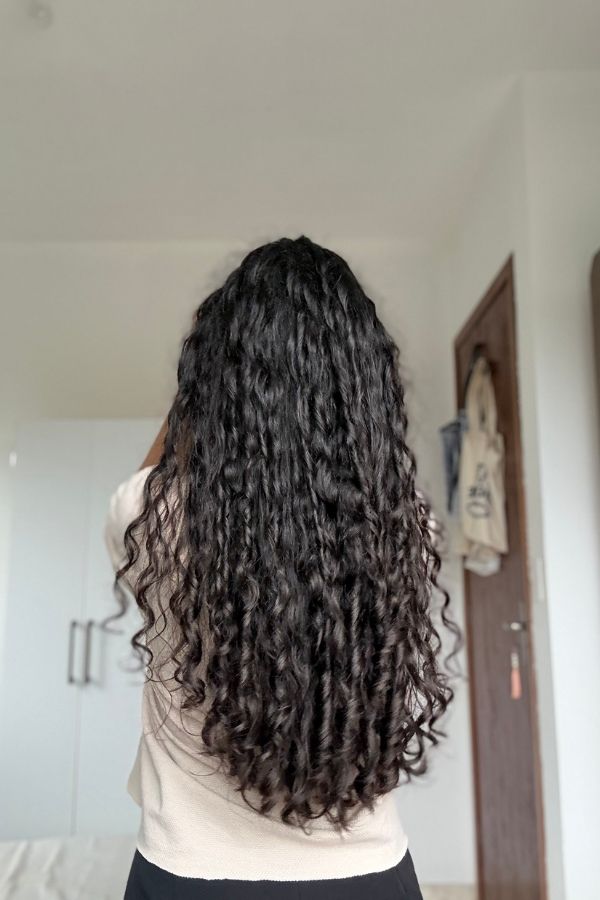
You do not need a shelf full of products. You need the right kind.
Look for:
- Lightweight formulas. Rich butters and heavy creams are made for tighter curl patterns. On 3A hair, they usually just weigh curls down.
- Shampoo without sulfates. Sulfates clean well, but a lot of people with curly hair find they leave it feeling stripped and frizzy.
- Conditioner with low or no silicone, if you are following the curly girl method. This one is debated in the community, so treat it as a personal preference rather than a rule.
- No more than two or three products at once. A leave in, a styler, and maybe a gel is usually plenty for fine 3A strands. Piling on more often just leads to buildup.
Here is a simple way to check for buildup. If your curls feel sticky, coated, or crunchy days after washing, that is usually a sign to use less product, not more.
How to Protect Your Curls Between Wash Days
Your routine does not end when your hair dries. What you do at night and between washes matters just as much.
- Pineapple it. Before bed, gather your curls into a loose ponytail high on top of your head. This keeps your curls from getting crushed while you sleep.
- Swap your pillowcase. A lot of people with curly hair switch from cotton to satin or silk pillowcases. Cotton tends to pull moisture out of hair and creates friction that leads to frizz.
- Refresh, do not rewash. On day two or three, a light mist of water mixed with a bit of leave in conditioner can bring curls back to life without a full wash.
- Skip the dry brush. Try not to brush dry curls. It breaks apart the curl clumps you worked to build and turns them into frizz. Only detangle wet hair, with conditioner still in.
5 Mistakes That Ruin 3A Curls (And How to Fix Them)
Most 3A hair problems come down to one of these five habits. The good news is that all of them are easy to fix.
- Washing too much or too little. Too often strips your natural oils. Not often enough leads to flat roots and buildup. Aim for every four to seven days, then adjust from there.
- Using products made for tighter curls. If a product feels heavy in the bottle, it will feel heavy on your hair too. Stick to lighter formulas.
- Towel drying the regular way. A rough cotton towel roughs up your hair and causes frizz. Switch to a microfiber towel or a soft t shirt.
- Touching your hair while it dries. Every time you scrunch, poke, or run your fingers through wet curls, you risk breaking up the clumps. Set your curls, then leave them alone until they are dry.
- Skipping trims. Split ends make even a great routine look less defined over time. A trim every few months keeps your curls looking their best.
Last Tips
3A curls are not high maintenance. They just need a routine built for them, not a leftover routine made for someone else’s hair. Focus on gentle washing, lightweight products, and handling your curls as little as possible while they dry. Protect them at night, and do not be afraid to skip a step that is not working for you.
Give this 3A curly hair care routine a real shot for at least two or three wash cycles before you decide what to keep and what to change. Curly hair takes a little patience, but once you find your rhythm, it gets a lot easier from there.