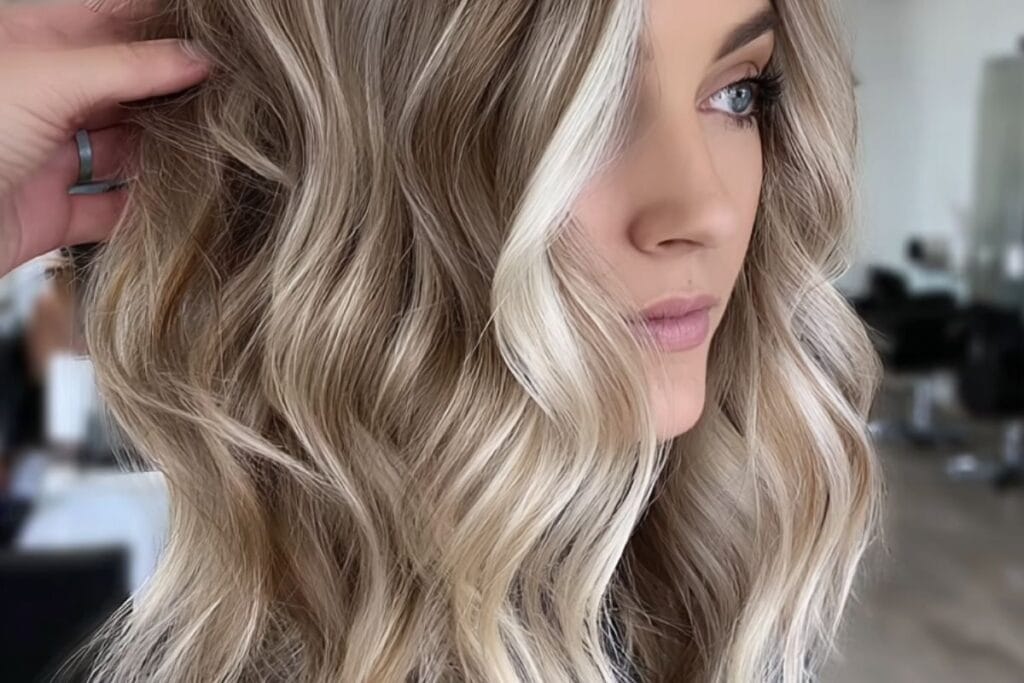
You wash your hair. You deep condition it. You take the supplements. And yet your hair feels like it’s going nowhere. Here’s what most people miss: your hair is probably growing just fine. The problem is it keeps breaking off at the same rate it grows. So the length never changes. You stay stuck.
This guide cuts through the noise. No miracle products. No viral hacks. Just what actually works, and what you can start doing this week.
This post may contain affiliate links, which means I’ll receive a commission if you purchase through my links, at no extra cost to you. Please read full disclosure for more information.
Why Your Hair Feels Like It Stopped Growing
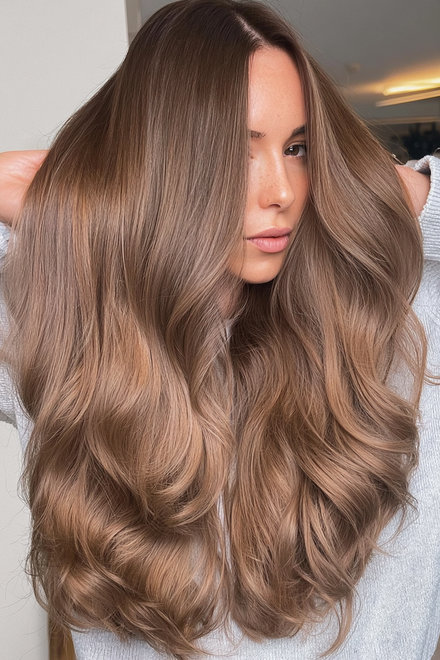
Before anything else, you need to know how hair growth actually works.
Your scalp has around 100,000 hair follicles. Each one cycles through a growth phase, a transition phase, and a rest phase. Most of your hair – around 85 to 95% of it – is actively growing at any given time. The rest is resting or shedding.
According to the American Academy of Dermatology, your hair grows about half an inch per month on average. That’s roughly 6 inches per year.
You cannot make it grow much faster than that. Genetics set the speed. But you absolutely can stop losing what grows – and that’s where most people win or lose.
After age 30, growth naturally slows a little. So if you’re in your 30s or 40s and notice a difference, that’s normal. Not a product failure.
The goal of every tip in this guide is simple: keep what grows, and create the best conditions for it to grow well.
The #1 Thing You’re Probably Skipping: Scalp Care
Think of your scalp the same way you think about your skin. You wouldn’t ignore your face for weeks. Your scalp deserves the same attention.
Buildup from product residue, excess oil, and dead skin cells can clog follicles and cause irritation. That irritation can make shedding worse over time.
What Scalp Massage Does (and Why You Should Start Today)
A daily 4-minute scalp massage has been shown in research to increase hair thickness over time. It works by boosting blood flow to the follicles, which brings more nutrients to where your hair grows. Studies are small, so this isn’t a magic fix – but it costs nothing and the habit is easy to build.
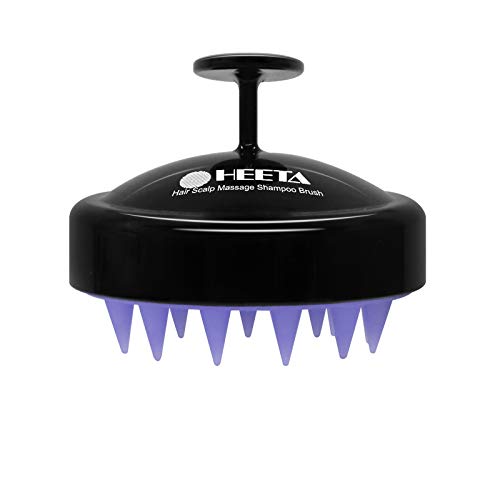
How to do it: Use your fingertips or a silicone scalp massager (widely available for under $10). Apply gentle but firm pressure in small circular motions across your whole scalp. Do this for 4 to 5 minutes on wash days, or daily if you can.
What to Use on Your Scalp
Look for products that clean gently and calm irritation:
- Sulfate-free shampoos – sulfates strip your scalp’s natural oils and can cause dryness
- Products free of parabens and formaldehyde – these can irritate the scalp and weaken hair over time
- Scalp serums with peptides or antioxidants – these support a healthy scalp environment
You don’t need a 10-step routine. Clean scalp, good circulation, minimal irritation. That’s the baseline.

This week’s action: Add a 4-minute scalp massage to your next wash day. Keep it there every week.
What You Eat Matters More Than What You Buy
No shampoo can fix a bad diet. Your hair is made of keratin, which is a protein. It needs a steady supply of vitamins and minerals to grow strong and stay on your head.
Here’s the part most people don’t know: you might be spending money on supplements you don’t actually need.
What Your Hair Actually Needs
Ask your doctor to check these levels:
- Iron and ferritin – low iron is one of the most common causes of hair shedding in women
- Vitamin D – deficiency is very common and linked to hair thinning
- Zinc – supports hair tissue growth and repair
- Folate – deficiency can cause changes to hair, skin, and nails
Food sources that support hair growth:
| Nutrient | Good Sources |
|---|---|
| Protein | Eggs, chicken, lentils, Greek yogurt |
| Iron | Red meat, spinach, lentils, tofu |
| Vitamin D | Oily fish, eggs, fortified foods, sunlight |
| Zinc | Pumpkin seeds, beef, chickpeas |
| Biotin (food form) | Eggs, almonds, sweet potato, salmon |
One more thing: crash diets and severe calorie restriction can trigger sudden hair shedding. Your body stops prioritizing hair when it’s in survival mode. Consistent, balanced eating is not optional if you want your hair to grow.
Action step: Before buying supplements, talk to your doctor and ask for a blood panel. Test, don’t guess.
How to Build a Routine That Protects What Grows
The most expensive products cannot save your hair from a damaging routine. But a simple, consistent routine can outperform a $200 product stack every time.
On Wash Day
Shampoo for your hair type. If you have curly or afro-textured hair, use products that add extra moisture and reduce frizz. If your scalp is oily, a gentle clarifying shampoo once a week prevents buildup.
Detangle from the bottom up. Start at the ends, work your way up to the roots. This prevents snapping hair at its weakest points.
Cool or lukewarm water for the final rinse. Hot water opens the hair cuticle and leaves it rougher and more prone to breakage.
During the Week
Limit heat styling. Celebrity hairstylist Justine Marjan, known for working with Kim Kardashian and Ashley Graham, recommends getting specific: instead of “use less heat,” set a clear target like “limit heat styling to twice a week.” Small, specific goals are easier to keep.
When you do use heat, always apply a heat protectant first. Every time.
Avoid tight hairstyles daily. Tight ponytails, braids, and buns pull constantly on the follicle. Over time, this can cause traction alopecia – a form of hair loss that can become permanent if it goes on too long. No product can reverse that.
Sleep on a satin or silk pillowcase. Cotton creates friction overnight and causes breakage. A silk pillowcase is a cheap, easy switch.
Weekly and Monthly
Get trims when you need them. Trims don’t make your hair grow faster, but split ends travel up the shaft and cause more breakage. Waiting too long means losing more length, not less.
Use a deep conditioning mask once a week if your hair is dry, color-treated, or heat-damaged. Focus it on the mid-lengths and ends, not the scalp.
| When | What to Do |
|---|---|
| Wash Day | Scalp massage, sulfate-free shampoo, deep condition, detangle gently |
| Mid-Week | Moisturize ends if dry, avoid tight styles, silk pillowcase at night |
| Weekly | Deep conditioning mask, check scalp for buildup or irritation |
| Monthly | Trim if needed, reassess what’s working |
4 Lifestyle Habits That Quietly Slow Your Hair Growth
You can do everything right with your products and still lose hair if your body is under too much stress. Hair is not the body’s priority. When things go wrong inside, it’s one of the first things to slow down.
1. Chronic Stress Triggers Shedding
When you’re under ongoing stress, your body can push hairs into the resting phase early. The shedding usually shows up 2 to 3 months after the stressful event – which makes it confusing to connect the two. Stress management is not a luxury. For your hair, it matters.
2. Poor Sleep Slows Recovery
Your body does most of its cell repair during deep sleep – and that includes your hair follicles. When you sleep poorly, everything slows down. Seven to nine hours is the target for most adults.
3. Inflammation Gets in the Way
Processed foods, alcohol, and chronic poor sleep all raise inflammation in the body. That inflammation affects the scalp too. Anti-inflammatory habits – regular movement, whole foods, less alcohol – help your hair as much as they help everything else.
4. Know When to See a Professional
If you’re shedding heavily and consistently, noticing bald patches, feeling scalp pain, or seeing sudden changes in your hair texture, see a dermatologist or trichologist. Don’t self-diagnose from TikTok.
You can find a registered trichologist through the American Hair Loss Association.
What’s Worth Trying and What to Skip
Worth Trying
Scalp massage – Free, easy, and supported by research. Start here.
Low-level laser therapy (LLLT) devices – LED caps and helmets cleared by dermatology authorities have shown real improvements in hair density for people with pattern hair loss. They’re expensive ($100 to $600+), so they’re not a first step. But they’re a legitimate option if the basics aren’t enough.
Microneedling and PRP – These clinic-based treatments have growing evidence behind them, particularly for androgenetic hair loss. Worth a conversation with a dermatologist if you’re dealing with significant thinning.
Skip (or Be Cautious)
Biotin supplements without a confirmed deficiency – If your levels are fine, it won’t do anything for your hair.
Viral growth oils – Castor oil, rice water, and similar trends aren’t harmful, but there’s no strong evidence they grow hair faster. At best, they may help reduce breakage.
Any product that promises faster growth – No topical product can change how fast your hair grows. What they can do is reduce breakage and improve scalp conditions. That’s it.
Naeemah LaFond, global artistic director for Amika, says it well: “Consistency is the secret to healthy hair. You don’t need an elaborate 10-step routine. Just the basics done regularly can make a huge difference.”
She’s right. And the basics are free.
Start Here: Your First Week Action Plan
Pick one thing from this list and do it consistently for four weeks:
- Add a 4-minute scalp massage every wash day – fingertips or a silicone tool
- Book a blood test – check iron, ferritin, vitamin D, and zinc before buying supplements
- Cut heat styling down to twice a week – and always use a heat protectant
- Switch to a silk or satin pillowcase – simple change, real reduction in breakage
- Check your shampoo ingredients – if it has sulfates and your scalp is dry or irritated, switch
The best hair care tips for growth are not the newest, most expensive, or most viral. They are the ones you actually do, consistently, week after week.
Your scalp is the foundation. Your nutrition is the fuel. Your habits are the difference.
Start small. Stay consistent. That’s what actually works.