Your hair changes as you age, no matter what texture you started with. Curls loosen. Straight hair goes flatter at the roots or drier at the ends.
Gray strands feel wirier than pigmented ones ever did. None of that means you have to give up the wash and go.
You just need to choose the right hairstyle for your particular hair type, length and texture, plus maybe a routine built for the hair you have now, not the hair you had two decades ago.
Below, we talk you through the latest stylish wash and go (easy care) hairstyle trends for women over 50, we also take a look at some of the more popular styles and how to make them work for you.
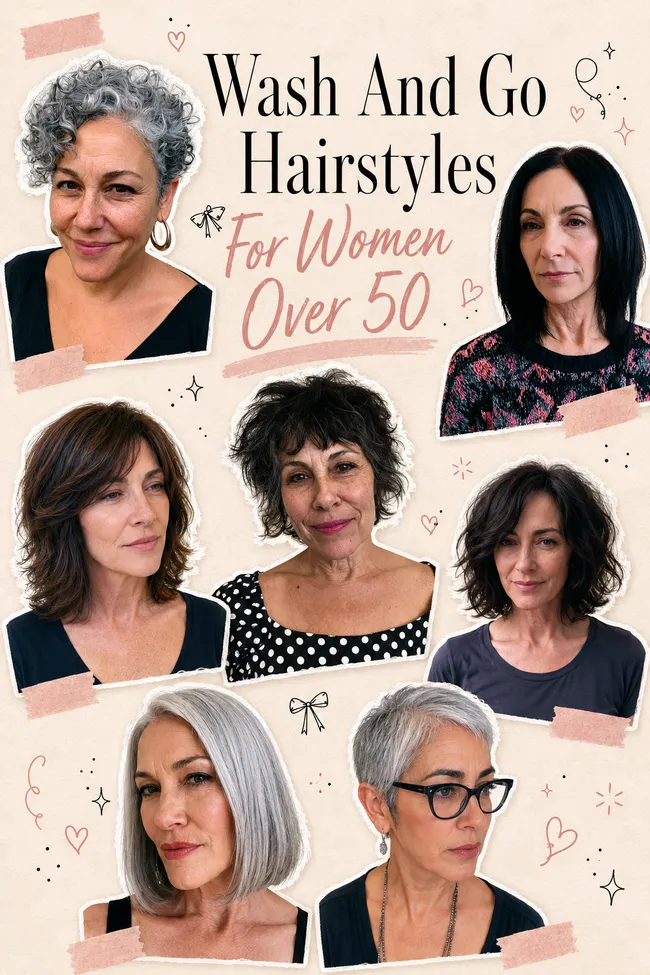
Wash and Go Hairstyles For Women Over 50: How to Get One
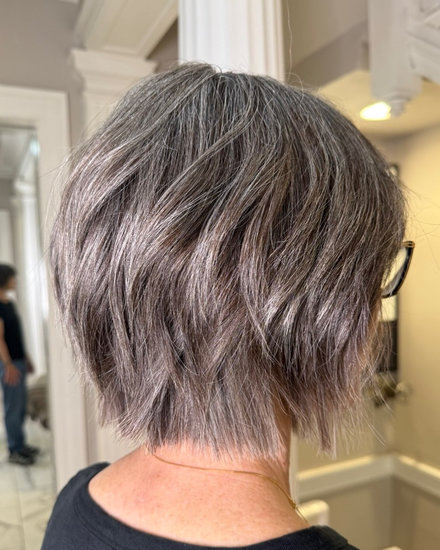
Low maintenance doesn’t mean low style – the right wash and go haircut can look completely polished with minimal effort.
For women over 50, the key is finding a cut that works with the hair’s natural texture and holds its shape without needing much daily intervention.
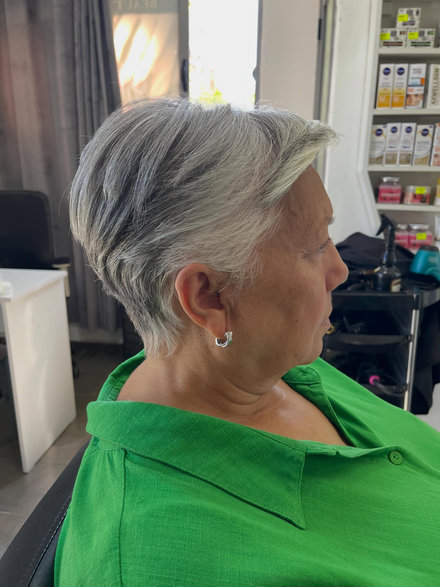
Here’s what works best:
- Textured pixie – shakes out beautifully after washing with barely any styling needed, the ultimate wash and go cut
- Tapered natural cut – works with natural curl or wave pattern, gorgeous with just a little curl cream scrunched through damp hair
- Short shag – designed to look intentionally undone, air dries into shape with minimal effort
- Soft layered bob – a little bend through the ends air dries into an effortlessly lived-in finish, especially on naturally wavy hair
- Curly pixie bob – natural curl does all the styling work, just scrunch and go
- Feathered short cut – light layers fall naturally into place after washing, no heat styling required
What Makes a Cut Truly Wash and Go
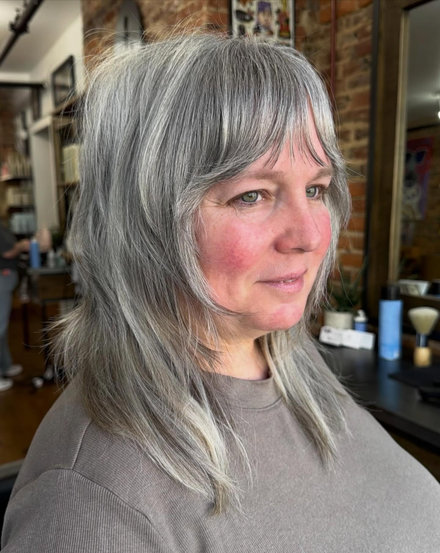
The secret to a genuine wash and go style is in the cut itself rather than the styling routine. A well-executed cut should do most of the work on its own – shape, movement, and texture built into the haircut mean the hair falls into place naturally as it dries rather than needing to be coaxed into a style with tools and products.
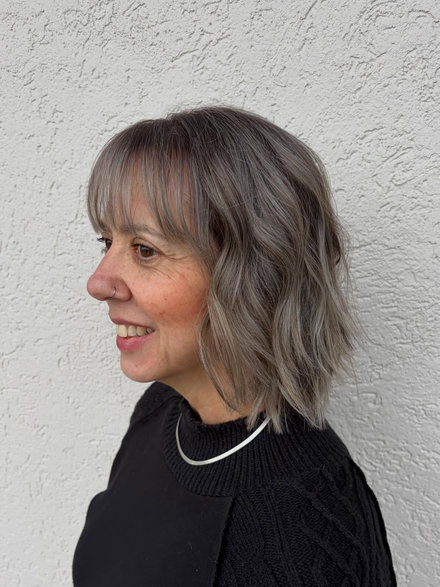
Texture is a big factor here. Naturally wavy or curly hair has a significant advantage with wash and go styles because the texture creates its own shape and volume as it dries.
For straighter hair, a cut with lots of internal layering and point-cut ends creates enough movement and separation that air drying still produces a result that looks intentional rather than flat or shapeless.
Talking to your stylist specifically about wanting a wash and go result is worth doing upfront.
A cut designed with that goal in mind – rather than one that’s adapted from a style that normally requires heat styling – makes an enormous difference in how effortless the daily routine actually ends up being.
More modern wash and go styles below!
Silver Fox Curl Crop
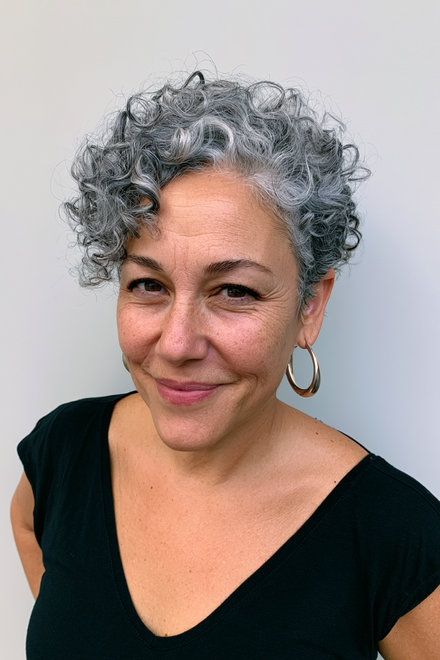
Cut your curls close to the head and let the gray shine on its own. This crop sits just above the ears and tapers into the neck, so your natural curl pattern springs into a soft halo the moment it dries. Wet your hair, smooth in a lightweight curl cream, and scrunch upward with cupped hands.
This cut works because shorter hair carries less weight, and less weight means your curls bounce instead of stretch flat. Gray hair also tends to feel coarser, so a crop gives that texture room to breathe. You’ll be out the door in ten minutes, curls already holding their shape.
Undone Shag
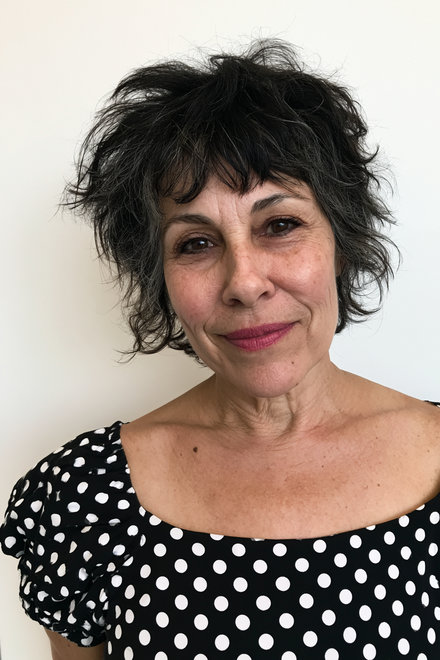
Choppy layers cut throughout the length give straight hair natural-looking movement without a single curl involved. Apply a sea-salt or texturizing spray to damp hair, scrunch gently, and let it air dry. The layers separate on their own as they dry, creating soft pieces that fall forward around your face.
A shag hides thinning at the temples better than a blunt cut, since the choppy pieces disguise gaps instead of highlighting them. Freshen it up between washes with a dry shampoo at the roots and a quick tousle with your fingers.
Wash and Go for Fine, Straight Hair
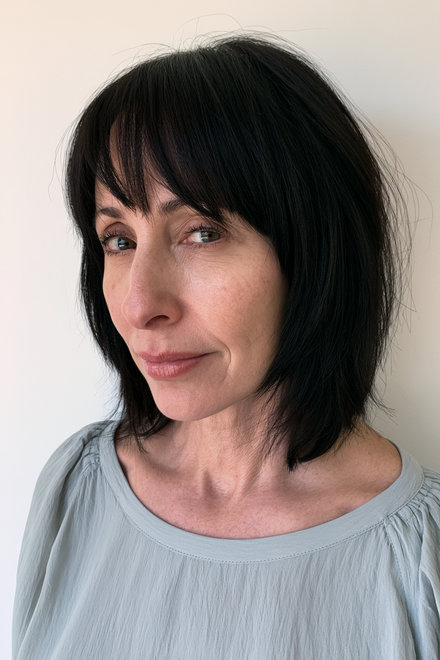
Fine, straight hair goes limp fast without the right approach, especially at the roots. Apply a lightweight volumizing mousse to damp hair, focusing on the roots rather than the ends. Let it air dry with your head tipped forward for a few minutes to lift things away from the scalp.
Skip heavy oils and creams entirely here, since they weigh fine strands down within an hour of drying. A dry shampoo used the night before, not just the morning after, actually helps build texture and grip for the next day’s style.
Wash and Go for Thick, Straight Hair
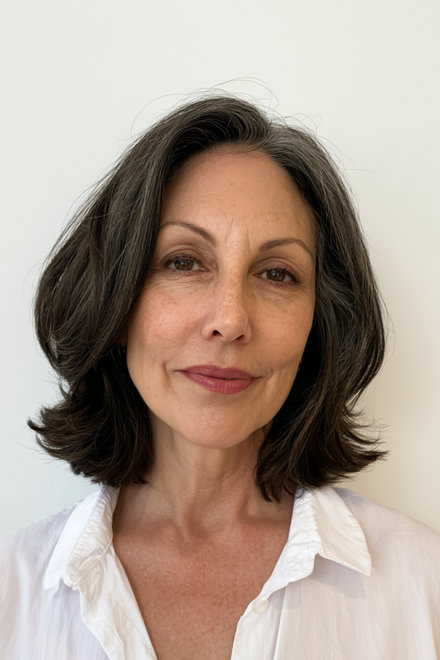
Thick, straight hair holds moisture well but can turn heavy and shapeless without some help. Apply a lightweight leave-in throughout, then a small amount of smoothing cream focused on the mid-lengths and ends. Comb through once with a wide-tooth comb while soaking wet, then leave it alone to dry.
Overworking thick hair while it dries, brushing it repeatedly or scrunching it too much, tends to create frizz rather than prevent it. A cool blast of air from a handheld dryer at the very end, if you’re in a hurry, helps seal the cuticle and boosts shine.
Effortless Air-Dried Lob
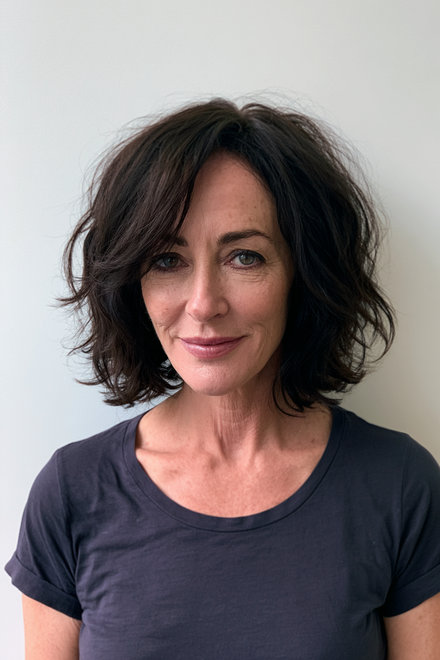
A long bob that grazes the collarbone works with straight or barely-there texture just as well as it does with curls. Towel dry your hair until it stops dripping, then work a texturizing cream through the ends only, avoiding the roots so they don’t fall flat. Let it dry naturally while you get dressed.
This length is forgiving. It hides a multitude of bad hair days simply by falling in a straight, even line, and it never needs a round brush or a flat iron to look finished. Straight strands often thin with age, so keep the cut blunt rather than heavily layered.
Wash-and-Wear Pixie
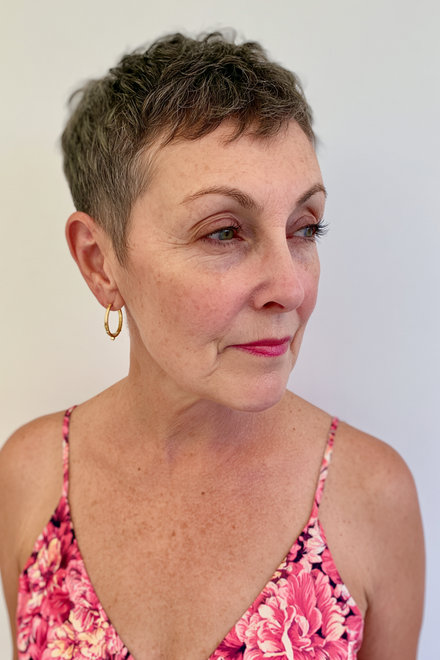
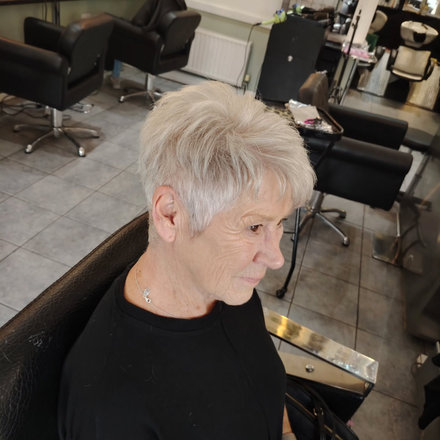
A short, straight pixie is about as low maintenance as hair gets. Wash, apply a small amount of pomade or paste to damp hair, and tousle it with your fingers as it dries. There’s no need for a brush, a dryer, or a mirror check twenty minutes later.
This cut suits thinning hair particularly well, since short strands stand up and hold shape without the drag that longer, straight hair puts on the roots. Ask your stylist to leave slightly more length on top so you can play with a side part or push it back for a different look.
Face-Framing Curly Pixie
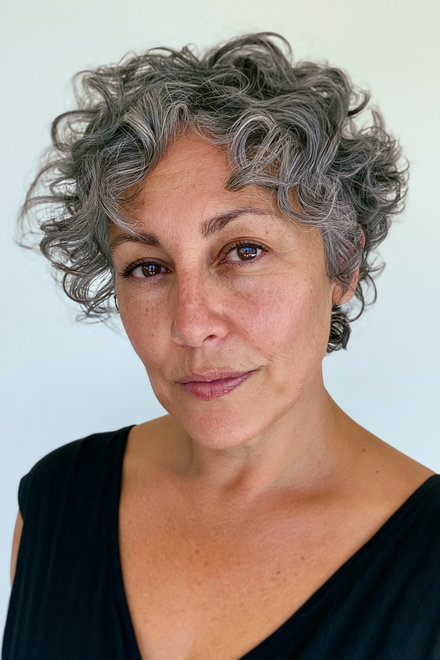
A pixie cut with a bit of length left around the face softens the whole look and works beautifully with natural curl or wave. Keep the sides and back short, then leave enough length on top and around the temples for the curls to coil and frame your cheekbones. Apply mousse to towel-dried hair and scrunch upward.
Short cuts like this need almost no daily effort once you learn the routine. Wash, apply product, scrunch, and go. It also flatters women dealing with thinning at the crown, since shorter layers create the illusion of fuller density up top.
Sleek Silver Bob
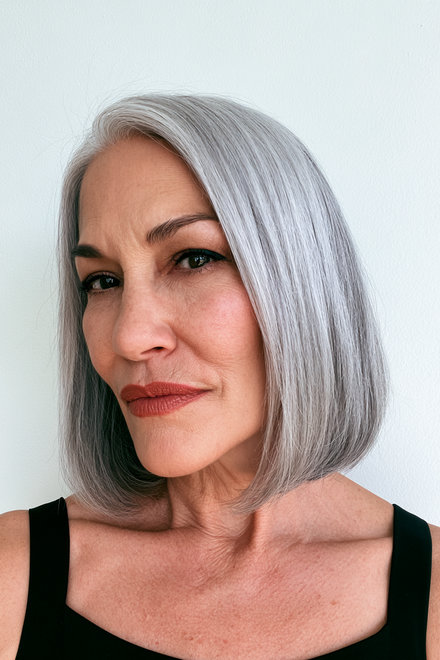
Straight, gray hair has a shine that curly texture can’t quite match, and this chin-length bob puts it on full display. Wash, apply a smoothing leave-in from mid-length to ends, and comb it straight down while damp. Let it air dry flat, or rough dry with your fingers for a few minutes.
Straight hair over 50 often turns finer at the roots, so this cut keeps things light instead of piling on layers that could make it look sparse. A drop of shine serum smoothed over the surface once dry fights the dullness that comes with graying strands.
Long Layers with Curl Definition
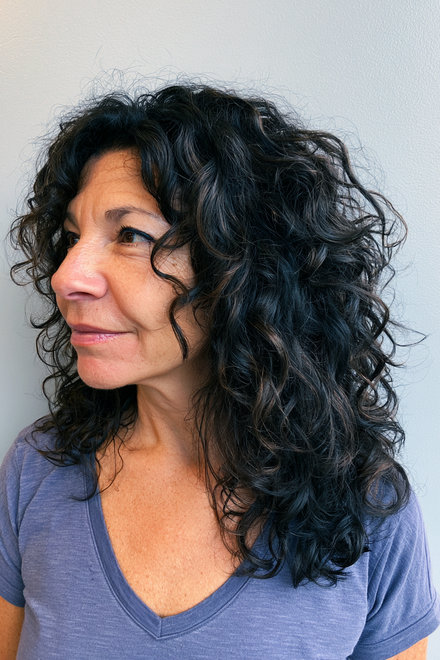
If you’re not ready to cut it all off, long layers keep length while still letting your curl pattern show. Ask for layers starting around the chin and moving down, which removes bulk without removing inches. Apply a curl cream section by section on soaking wet hair, then twirl each piece around your finger.
Long, gray or graying hair tends to look dry and dull without the right products, so reach for something with glycerin or aloe listed near the top of the ingredients. This style photographs beautifully and gives you the versatility to pull it back on days you want it out of your face.
Rounded Curly Bob
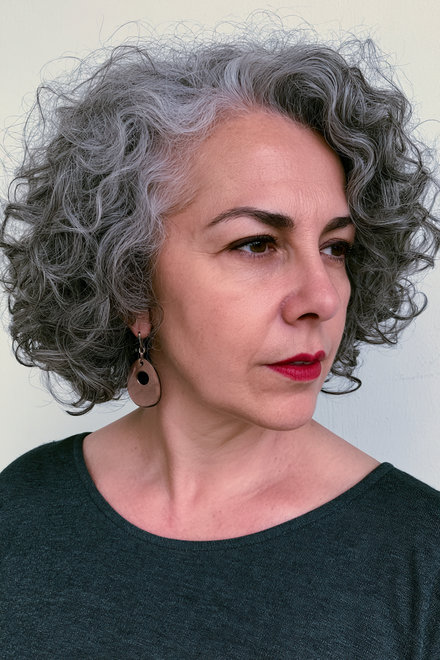
This cut, sometimes called a curl-by-curl bob, gets shaped while your curls are dry and in their natural state, not wet and stretched. Your stylist trims each curl individually so the finished shape curves gently around your jaw. At home, wash, apply a light gel, and let it dry undisturbed.
Rounded shapes flatter square and angular jawlines especially well, softening features that sharpen slightly with age. Because the cut follows your curl pattern instead of fighting it, you get consistent results wash after wash.
Softly Textured Crop
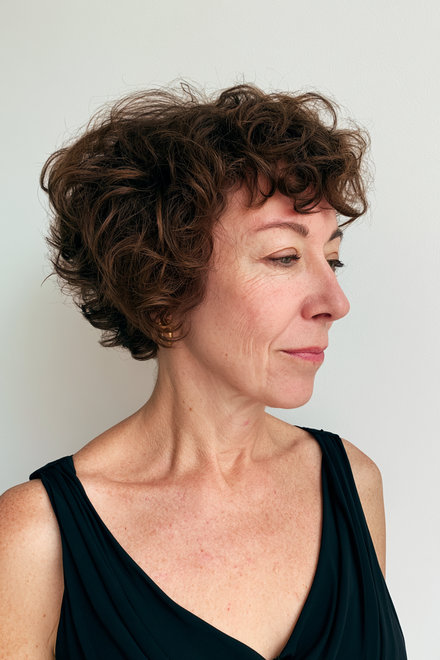
Not every cropped cut needs to be perfectly smooth. This one uses a texturizing spray on damp hair to break up straight strands just enough for a bit of grit and movement, without any actual curl involved. Scrunch lightly, let it dry, and finger comb through once it’s set.
Fine, straight hair often looks flat without some kind of texture added, and this technique gives you that lift without heat damage or heavy products weighing things down. It photographs well from every angle because the texture catches light differently depending on how you turn your head.
Blunt Bob, Zero Effort
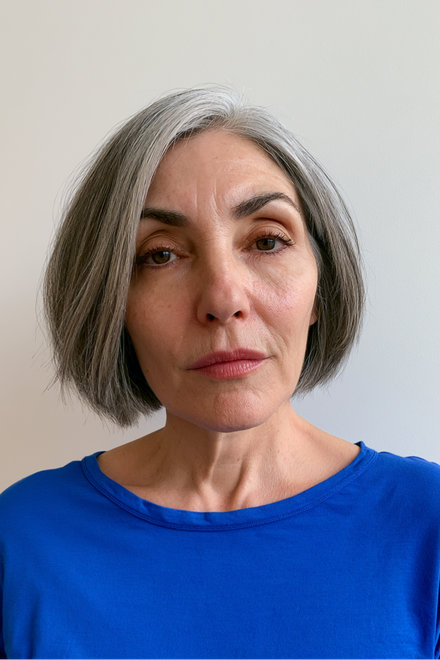
A crisp, blunt bob cut straight across the bottom needs almost nothing from you beyond a wash and a comb through. Apply a lightweight smoothing cream to damp hair, comb it into place, and let gravity do the rest as it dries. The straight line at the bottom gives the illusion of thickness even on finer strands.
This is the style to reach for on your busiest mornings. It requires no diffusing, no twisting, no waiting around for curls to set. A small amount of anti-frizz serum on the ends keeps flyaways under control through humidity or wind.
Feathered Layers
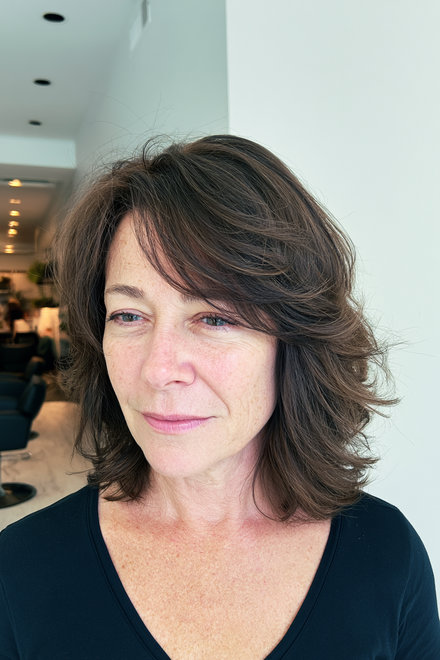
Soft, face-framing layers that feather out at the ends bring movement to straight hair without any curl or heavy wave. Apply a light styling cream to damp hair and blow dry briefly with your fingers, lifting the roots and directing the ends slightly outward as you go. Even a few minutes of finger drying makes a visible difference.
This cut flatters a range of face shapes because the feathered pieces soften the jawline and draw attention toward the eyes. It works especially well on hair that’s thinned with age, since the layered ends create the appearance of more volume than a single blunt line would.
Chin-Length Bob with a Deep Side Part
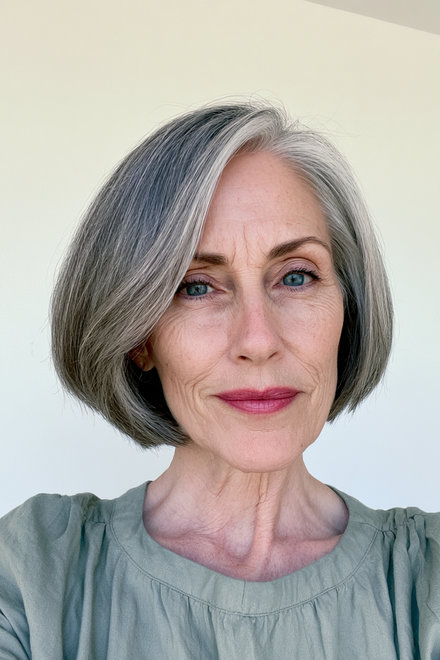
Move your part several inches off center and let one side fall longer than the other. This small change instantly updates a classic bob and adds asymmetry that catches the eye. Comb a smoothing serum through damp hair, part it deep, and let it dry flat and glossy.
A deep side part also does quiet, practical work, since it covers a thinning crown or a widening part line better than a center part ever could. This is a style you can recreate in your sleep, since it needs no diffusing, no twisting, and no special tools.
Wispy Crop
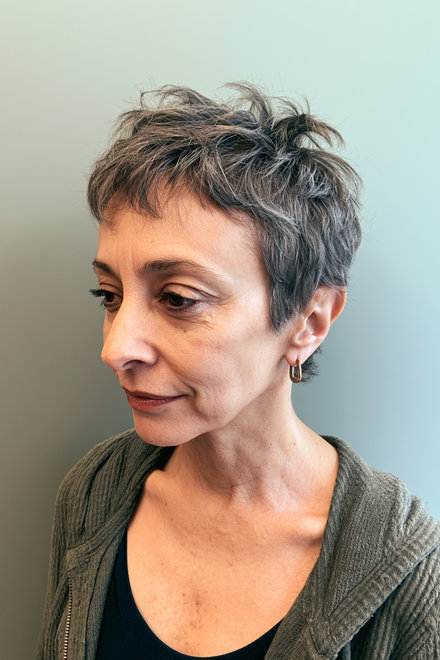
Short layers left slightly longer and wispier around the face soften a cropped cut and keep it from looking severe. Apply a small amount of paste to dry or towel-dried hair and pull pieces forward with your fingers around the temples and forehead. The rest of the cut needs almost no attention at all.
Wispy pieces do double duty, framing your face while also disguising a receding hairline or thinning temples, both common concerns after 50. A light hairspray on the wispy sections holds them in place through wind or humidity.
Root-Lift Blowout Alternative
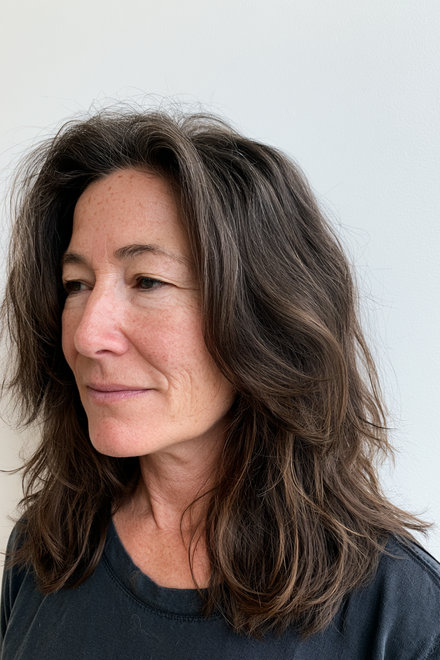
You don’t need a full blowout to get root lift. Apply a volumizing spray directly to damp roots, then clip small sections up and away from your scalp while the rest of your hair air dries. Once everything’s dry, release the clips and give your head a gentle shake.
Volume tends to drop off with age as strands thin, and this trick fights that directly by drying hair away from the scalp instead of letting gravity flatten it from the start. Avoid brushing straight hair too much once it’s dry, since over-brushing smooths away the very lift you just created.
Salt and Pepper Straight Crop
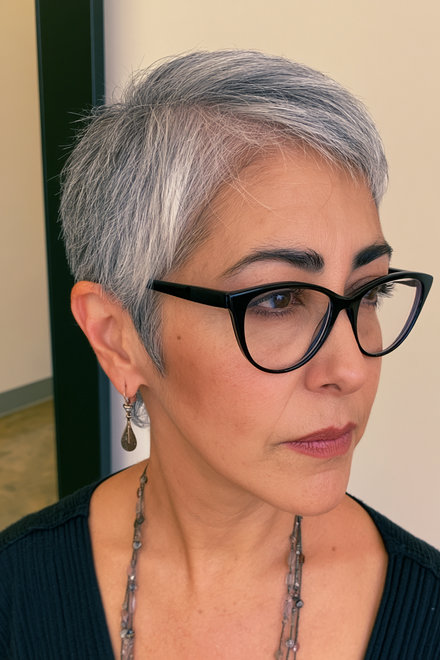
If your straight hair is transitioning, part gray and part your original color, a short, simple crop lets both colors catch the light without competing for attention. Wash with a color-safe, sulfate-free shampoo, apply a lightweight cream, and comb through while damp. The mix of tones reads as natural dimension rather than something in need of fixing.
Gray, straight hair often runs drier and slightly coarser than the pigmented strands nearby, so a hydrating mask once a week keeps the whole head feeling consistent. A purple-toned conditioner used every so often keeps any yellowing at bay in the gray sections while the rest of your color stays rich.
Shoulder-Grazing Layered Curls
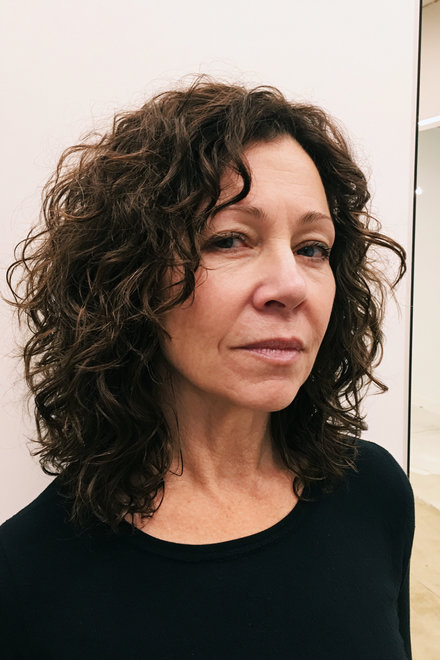
Ask your stylist for long layers that stop right at the shoulder. This length hits a sweet spot, long enough to feel feminine, short enough that the curls don’t drag down under their own weight. Apply a curl-defining gel to soaking wet strands, then rake it through with your fingers from root to tip.
Layers matter here more than length. Without them, curls over 50 can bunch into a heavy, shapeless mass at the bottom. With them, each section moves independently, and you get real movement instead of a solid block of hair.
Tapered Twist-Out Bob
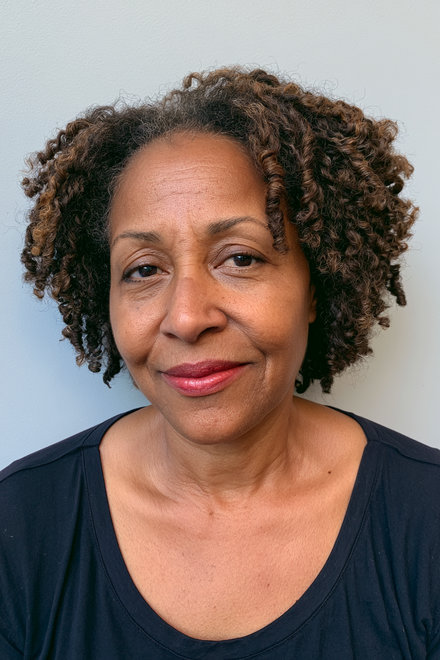
Section damp hair into six or eight parts and twist each one before it dries. Once your hair reaches about eighty percent dry, unravel the twists gently with your fingers. What you get is a bob with defined, elongated curls instead of tight coils.
Twist-outs give you more stretch and definition than a plain wash and go, which matters as curl pattern loosens with age. Use a butter-based cream for the twists themselves, since it holds moisture longer than a lighter gel. Sleep on a satin pillowcase and this style easily stretches into a second and third day.
Second-Day Straight Hair Refresh
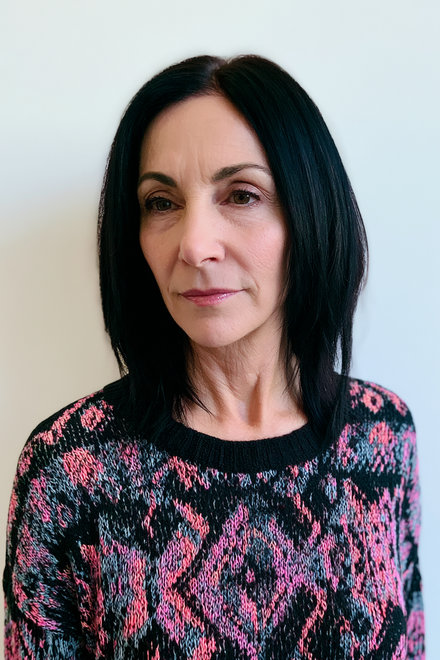
You don’t need to wash straight hair daily, and doing so often strips oils your scalp needs more, not less, as you age. On day two, apply dry shampoo at the roots, work it in with your fingertips, and brush through gently to redistribute natural oils down the length of your hair.
Focus extra attention on the crown and part line, where straight hair usually looks flattest by the second day. Sleeping on a silk or satin pillowcase also helps straight hair hold its shape overnight, cutting down on the friction that flattens roots and roughs up the cuticle.