Scroll through any fifty-plus hair tag right now and you’ll notice a pattern: nobody is playing it safe. Butterfly layers, once a longer-hair trend, are showing up on lobs.
Even the classic pixie has grown a long, sweeping fringe.
This isn’t a “flattering haircuts for your age” list. It’s a look at what’s actually cutting well right now, on real texture, real density, and real gray.
A number of trendy styles, each with the specific ask to bring your stylist and the styling routine that makes it hold up past nine in the morning.
What to Know Before You Book This Cut
Short layers work best when they’re cut with your natural texture in mind, not against it. A stylist cutting for curly or coily hair needs a different approach than one cutting for fine, straight strands, so bring photos and be specific about your hair’s density, not just the shape you want.
The right layers also depend on face shape and how you actually style your hair day to day. A cut that needs fifteen minutes with a curling iron won’t stick if your mornings only allow for five.
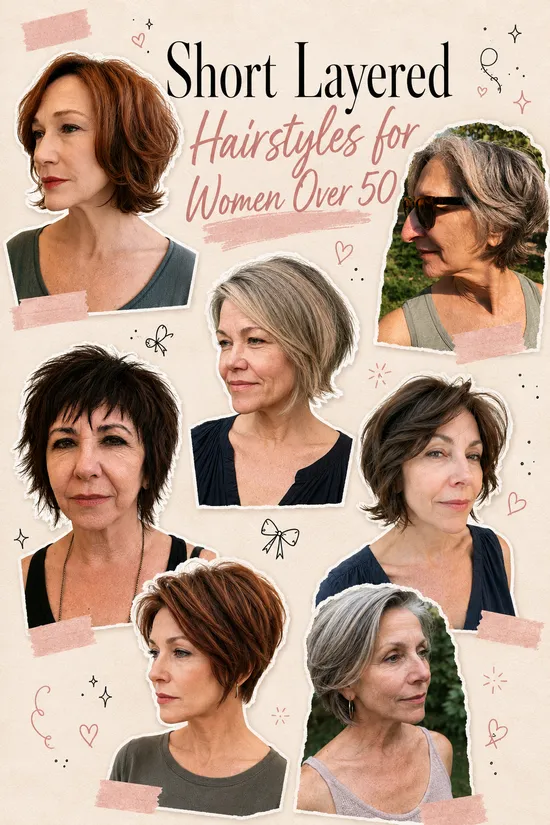
Right now, the biggest shift in short layered hair is texture over polish. Razored ends, undone waves, and visible layering are replacing the smooth, uniform bobs that used to dominate. Gray and silver hair is also getting cut with more intention, since choppier layers catch light in a way that flat, one-length silver hair never did.
A few things worth keeping in mind as you plan your next cut:
- Bring reference photos that match your hair’s texture and density, not just the style you like
- Ask whether your cut needs a razor or scissors, since each creates a different finish
- Choose one low-effort styling product, like a texturizing spray or clay, rather than five you’ll never use
- Book trims every eight to ten weeks to keep layers sharp and shape intact
- Talk to your stylist about how your gray or silver hair will change how layers catch light
Let’s take a look at what’s currently trending on socials below.
Stacked Graduated Pixie Bob
Credit: @atelier_salonatu
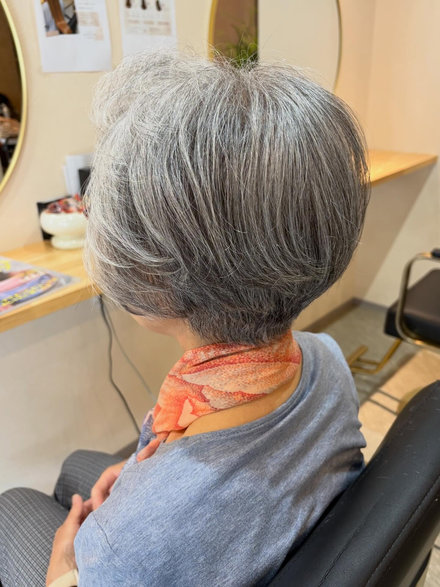
Silver hair takes center stage in this stacked bob, cut short at the nape and graduated up toward the crown. Layers build gentle volume without adding bulk, so the shape stays close to the head instead of ballooning out.
Notice how the top pieces lift and separate, giving natural gray strands texture that catches light from every angle. A cut like this works well if your hair grows in coarse or wiry, since the layering softens that texture instead of fighting it.
Ask your stylist for graduated layers through the back, tapering gradually rather than in one hard line. At home, blow dry with a round brush, lifting at the roots as you go. Finish by tucking loose ends under with your fingers. Minimal product keeps this style looking clean, not weighed down.
Blunt Fringe Choppy Pixie
Credit: @avantgarde.worcester
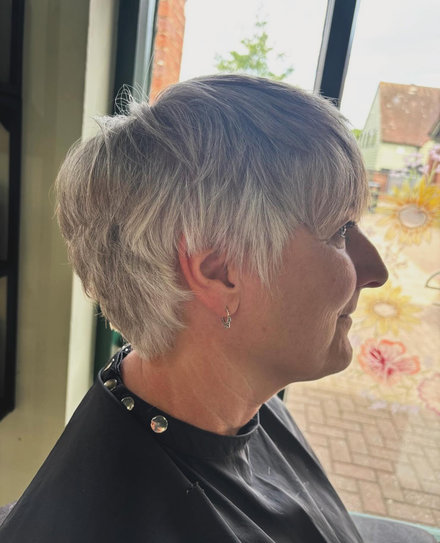
This pixie leans into texture, with choppy, piece-y layers scattered through the crown and sides. A blunt, heavy fringe grazes just above the brow, giving the whole cut a sharper, more graphic edge than a typical soft pixie. Ends are cut with a razor or thinning shears, creating that broken, textured finish rather than one smooth line.
Gray and silver tones show off beautifully here, since the choppy layers catch light unevenly and add dimension most solid colors can’t fake. Try this cut if you want something low maintenance but not boring.
Voluminous Flipped Layered Bob
Credit: @ecohairizabela
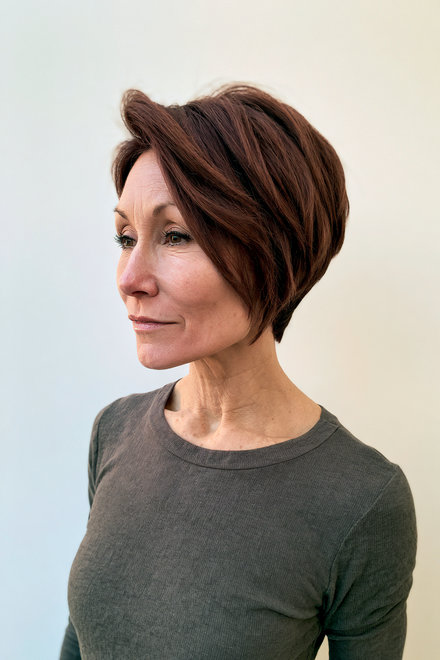
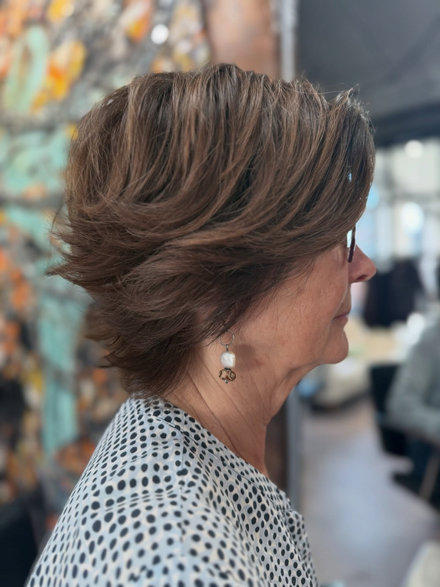
Warm brunette layers flip outward here, creating soft volume through the ends instead of tucking under like a classic bob. The layers are cut through the mid lengths and ends, giving hair room to bend and flip once you add heat.
This style suits hair with natural body or a light wave, since the layers rely on movement to show their shape. Notice how the crown stays smooth while the ends do all the work, curling away from the face on one side. Ask for layers concentrated below the ear rather than throughout, so the top keeps its polish.
Sleek Graduated Silver Lob
Credit: @krishairchair
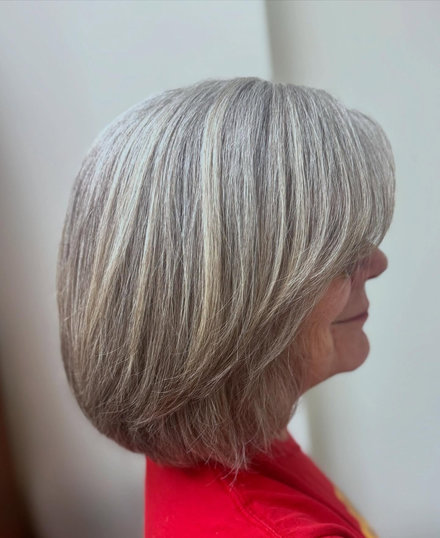
Long layers meet a soft, side swept fringe in this graduated bob, cut just past the chin. Silver and gray tones blend through the length, and the layering lets each shade show instead of blurring into one flat color. The cut stays fuller through the crown, then tapers gently toward the ends for a rounded, polished silhouette.
Fine or medium hair holds this shape especially well, since the graduation adds body without extra bulk. A small amount of smoothing serum tames flyaways without weighing hair down. This cut works equally well straight or with a loose wave.
Layered Blonde Inverted Bob
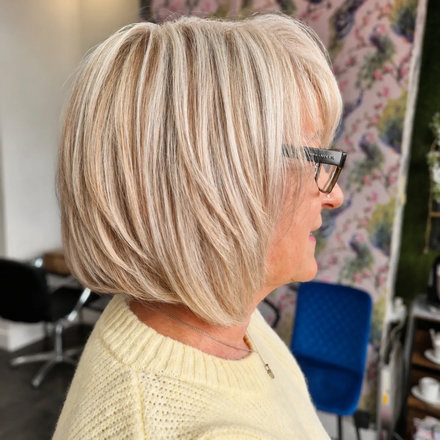
Credit: @viphairlouise
Buttery blonde layers stack through the back and taper gently toward the front in this inverted bob. The shortest layers sit at the nape, while length builds gradually toward the chin, creating a rounded shape that flatters most face types.
Highlights and lowlights woven through the layers add real dimension, so the cut looks lived in rather than freshly set. This style works well if you want something polished for work but still easy to manage at home. Ask for the layers to be cut wet and dry both, since dry cutting catches any pieces that spring up once hair sets.
Undone Shag Layers
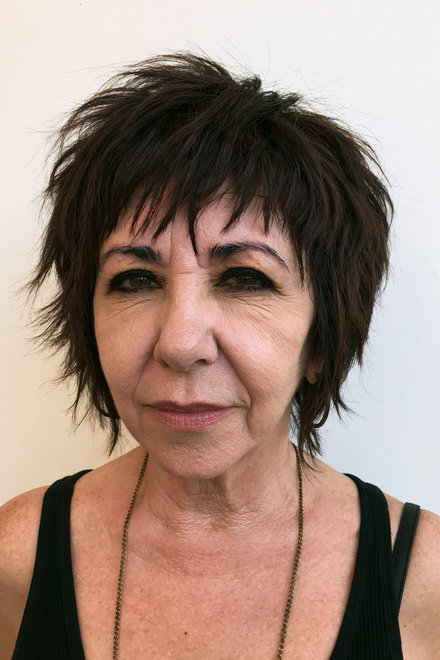
Picture hair that looks like you rolled out of bed and got lucky. Choppy layers cut close at the crown flare out toward the ends, adding volume without a single hot roller. Ask for a razor cut so the ends land soft and wispy instead of blunt. Scrunch in texturizing paste, diffuse dry, then tousle with your fingers.
Face-Framing Bob Cut
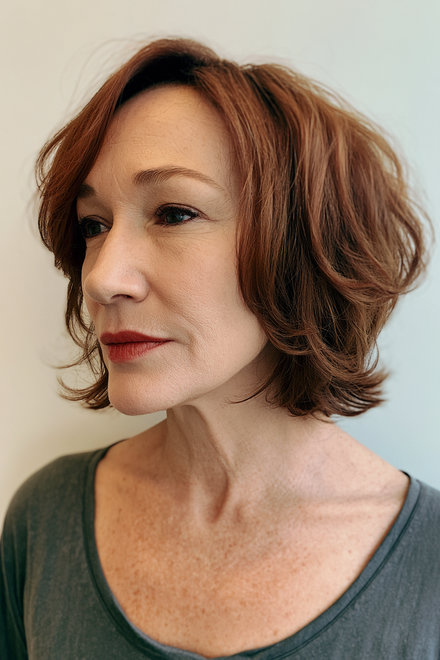
A chin-length bob with soft angled layers around your cheekbones draws the eye up and away from a heavier jawline. The shortest pieces land right at your chin, giving you built-in contour with no makeup required. Blow-dry with a round brush, turning the ends under slightly, then set the front pieces with a flat iron. This cut holds its shape for weeks between trims.
Long Layered Pixie
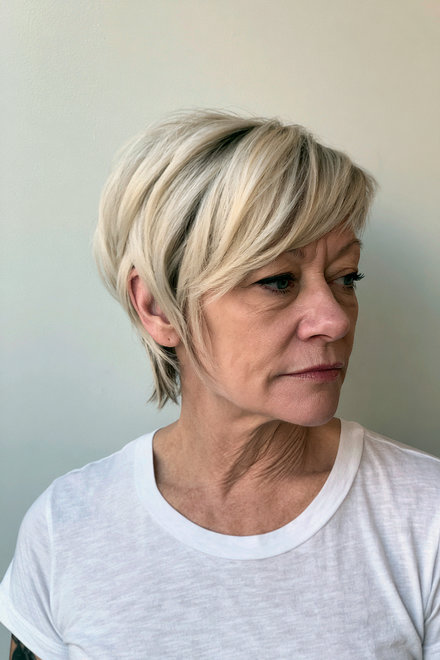
This version keeps length on top and through a swept fringe, then layers everything short through the sides and back. Point-cutting through the crown gives each layer a soft, feathered edge instead of a blunt one. Work matte clay through dry hair and lift the roots with your fingertips. Women with cowlicks or a stubborn hairline often find this easier to manage than longer styles.
Feathered Layers for Fine Hair
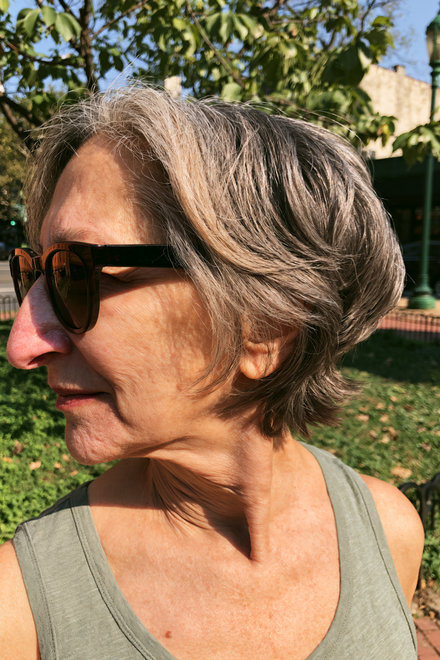
Fine hair goes limp under its own weight, so the fix is less hair in the right places, not more length. Feathered layers are cut at a shallow angle so each section blends softly into the next. Blow-dry upside down to lift the roots, then finish with a round brush and volumizing spray. Skip heavy oils, which weigh fine hair down fast.
Curly Layered Bob
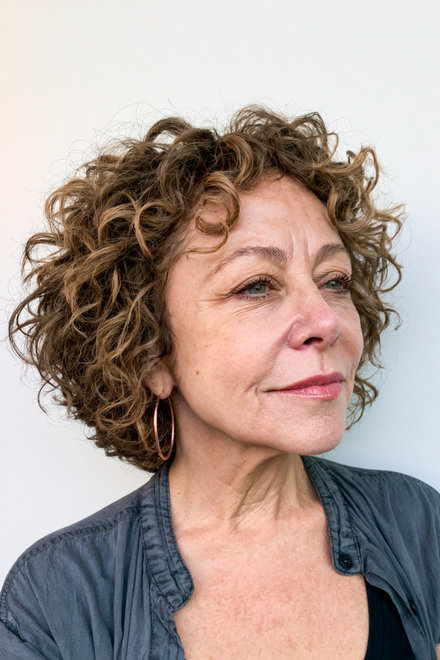
Curly hair over 50 often loses spring and falls flatter than it once did. A bob cut curl by curl, while hair is dry, gives each ring room to bounce instead of clumping. Scrunch in curl cream on soaking wet hair, then let it air-dry or diffuse on low heat. Never brush curly hair dry, since it breaks the curl pattern and creates frizz.
Asymmetrical Lob
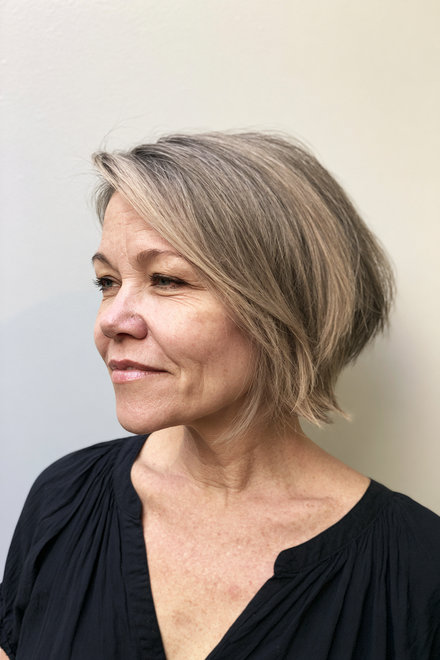
An asymmetrical long bob runs a few inches longer on one side than the other, breaking up symmetry that can read as tired. Layers cut on the diagonal put the shortest piece near one ear and the longest near the opposite collarbone. Rough-dry with your fingers, twist a few sections around a curling iron, then break up the curl with your hands. The diagonal line naturally covers more of one cheek for easy, built-in coverage.
Side-Swept Cropped Cut
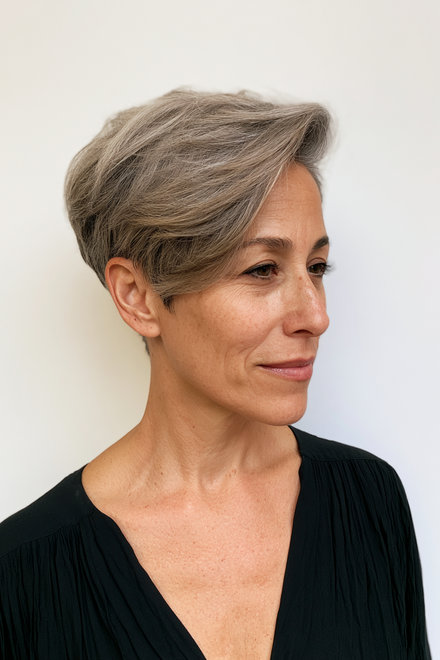
A cropped cut with a long, side-swept fringe softens angular features without much daily effort. Layers stay tight through the back and sides, then grow longer through the top and front for the sweep. Rough-dry the top with a paddle brush, directing it to one side, then set with pomade. Because so little hair sits at the crown, this cut also keeps you cooler in warm weather.
Undercut Textured Bob
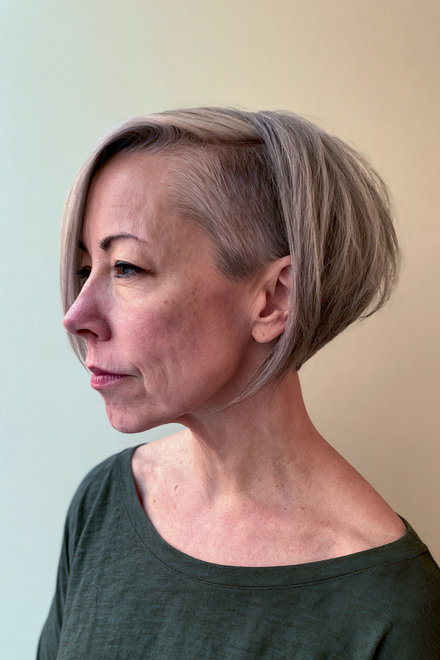
A textured bob hides a shaved or closely clipped section underneath, keeping the top classic while cutting real weight from thick hair. From the front nobody sees the undercut until you tuck hair behind your ear. Style with texturizing spray on damp hair, then air-dry or diffuse. Less hair underneath means significantly less drying time.
Butterfly Layers
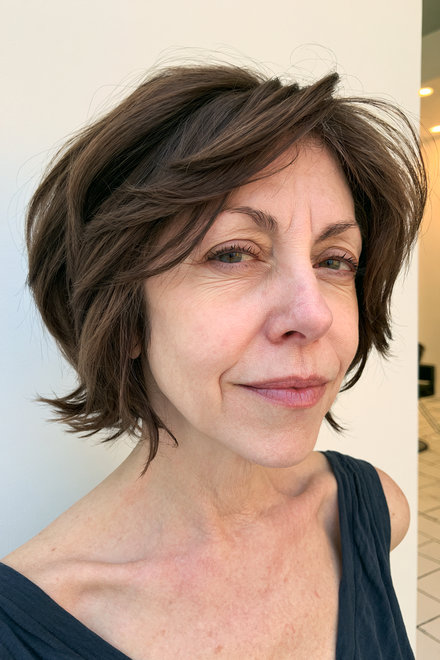
Butterfly layers get their name from short, wing-like pieces that frame your face, then blend into longer layers through the rest of the cut. Heavy layering through the crown creates real volume, useful once hair has thinned with age. Curl the face-framing pieces away from your face with a one-inch iron and leave the rest looser. Finish with texturizing spray at the roots for lift that lasts through the afternoon.
Silver Layered Pixie
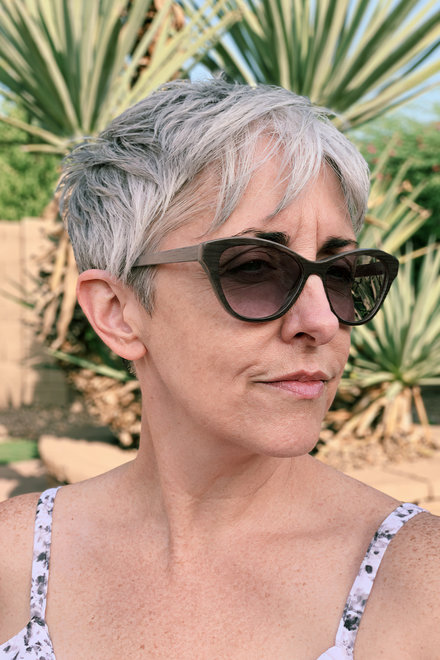
Gray and silver hair often carries a coarser texture, and a well-layered pixie plays to it well. Shorter, choppier layers through the crown catch light differently, giving silver strands a polished look instead of a flat one. Ask your stylist to point-cut the ends and keep enough length on top to style up or flat. A lightweight pomade worked through with fingertips keeps the texture visible without smoothing it away.