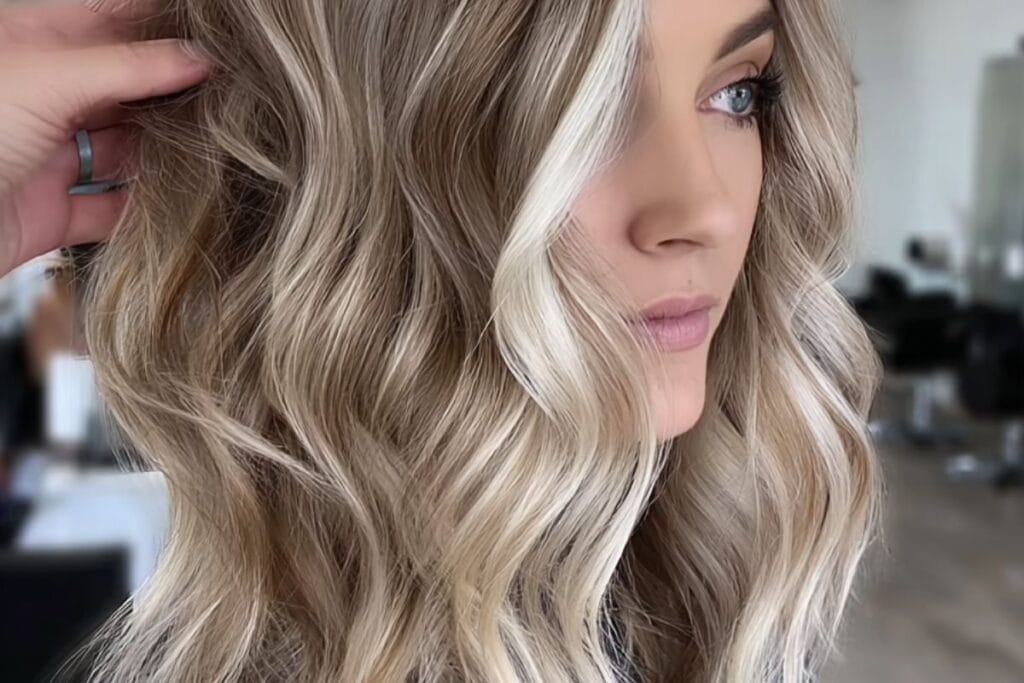
Searching for haircuts for women 2027? I keep coming back to styles that feel personal instead of prescriptive: soft movement, brushed-out volume, bobs with a little swing, and fringe that works with your actual routine.
A sleek, blunt cut can be just as chic as a tousled shag. To me, it really comes down to the mood you want and how you enjoy styling your hair.
I put these together as forward-looking ideas to save, not rules for next year. When I narrow down a cut, I look at texture, density, growth pattern, and the finish you genuinely like wearing most. Below, I’m breaking down what makes each option special, along with the practical details that help you choose between them.
Long Hair & Textured Cuts
Long Feathered Layers
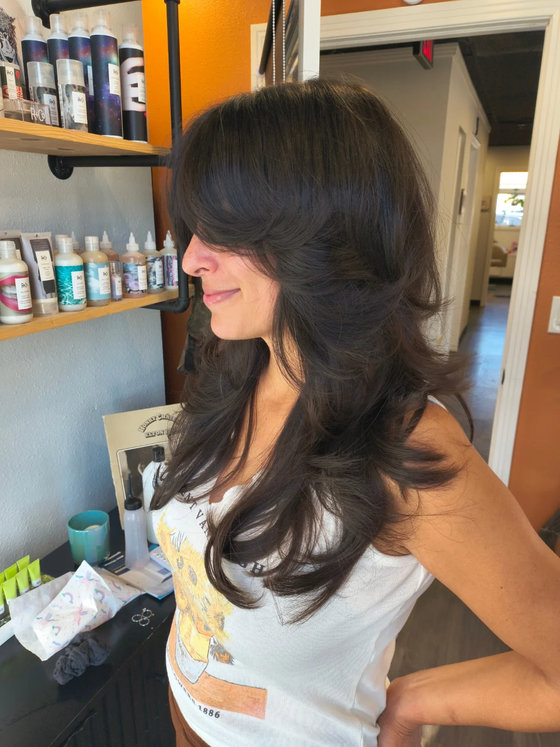
Long feathered layers begin around the collarbone and blend gently into the ends, leaving the crown relatively long and the perimeter density-preserving. The effect is flowing separation and a soft face sweep, not short choppy texture.
It is smoother and more continuous than butterfly layers, whose front pieces are more pronounced, and far calmer than a shag. I think it is a lovely way to add movement without giving up the feeling of long hair.
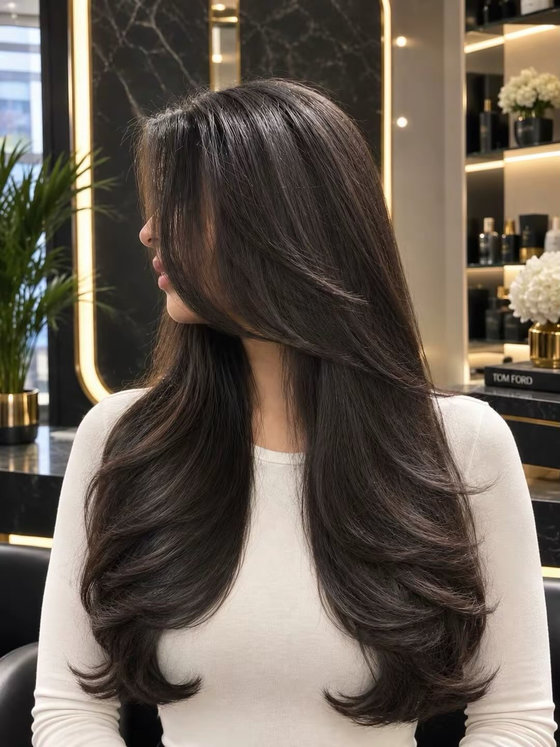
A medium round brush aimed away from the face gives the front pieces their feathered bend. Medium-to-higher density hair can support more visible layering, while fine strands and lower density are often better with fewer, longer layers and a stronger baseline.
Density means the number of hairs, not the width of each individual strand, so both details matter in the consultation. Curls and coils should be shaped curl by curl with shrinkage and natural versus stretched wear clearly discussed.
Ask to keep the crown long, the outline fairly full, and the feathering blended rather than razored. Because the layers grow out softly, some people stretch shape checks longer, often around ten to fourteen weeks, if their ends are behaving.
U-Cut with Soft Face-Framing
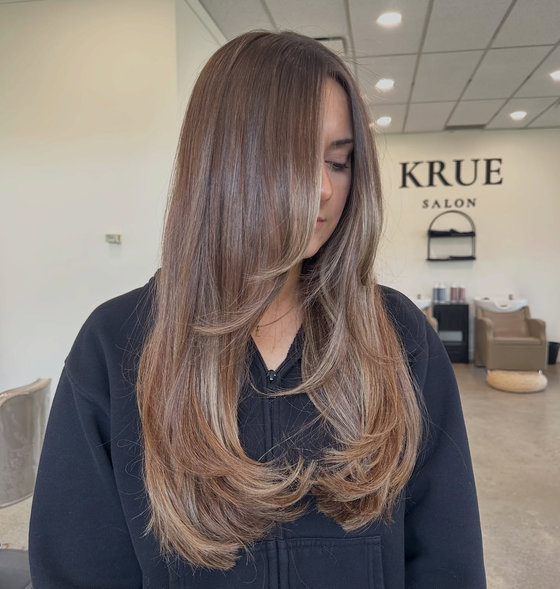
A soft U-cut lets long hair curve gently upward from the center back into the front, rather than ending in the sharper point of a V. Delicate, long face-framing pieces add movement without changing the whole interior.
The U-shaped hemline is the main event here. It is not a curtain fringe, and it is not a heavily layered long cut where every length competes for attention.
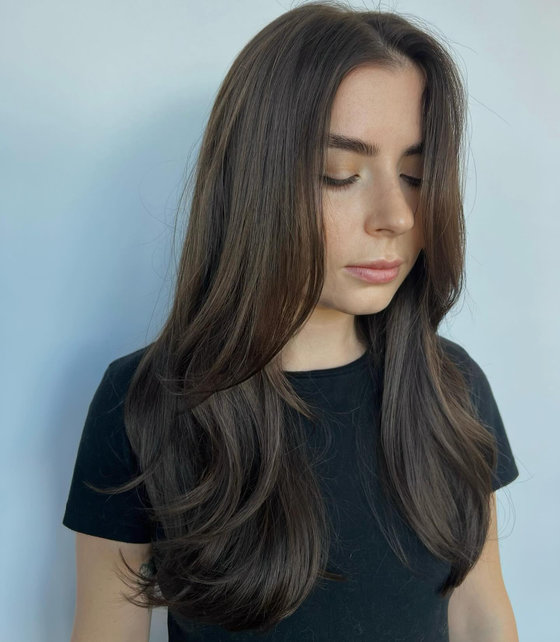
This is adaptable across straight, wavy, curly, and coily patterns, but the curve and shortest front piece should follow how you wear your hair. Fine strands or lower density often look best with a fuller baseline and restrained framing, not automatic thinning.
Medium-to-high density hair may need a little interior adjustment if it feels bulky. Bring a photo of a U you like and say whether you usually wear your hair natural, stretched, or blown out, since shrinkage affects both the perimeter and the front.
For a soft bend, dry the two front sections forward and then away from the face with a medium brush. An occasional shape refresh around ten to fourteen weeks can preserve the curve while still protecting length goals.
Textured Curly Layers with Height
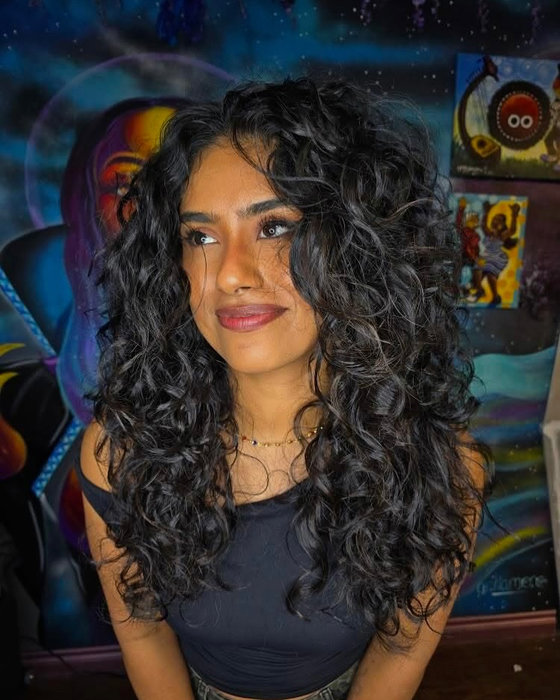
These long curly or coily layers build a rounded silhouette with visual fullness lifted toward the crown, then lengthen gradually through the sides. The lower perimeter stays substantial, so the result feels buoyant instead of bottom-heavy or wispy.
It is more continuous than a curly shag, with no requirement for a fringe, severe disconnection, or all-over feathering. The purpose is thoughtful vertical shape, not stripping out weight indiscriminately.
Medium-to-high-density curls and coils can often carry a more noticeable crown lift. Fine strands or lower density usually need fewer, longer blended layers and a fuller baseline, while dense hair may take selective interior release where it truly helps.
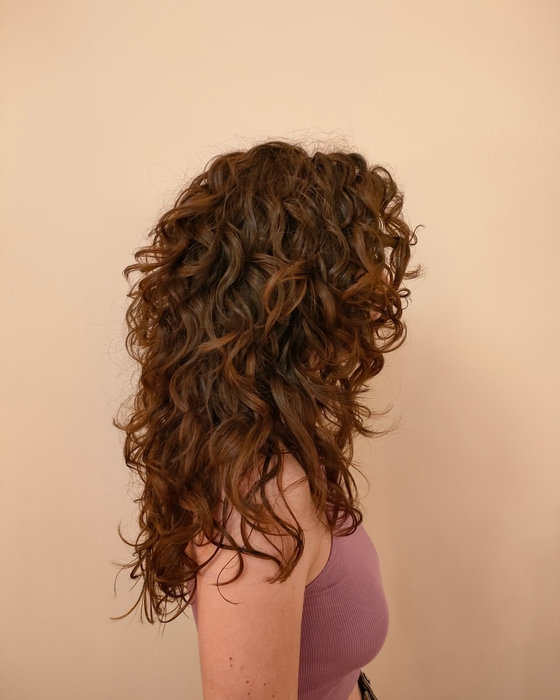
Have the cut assessed in your usual natural state and checked against stretched length, because shrinkage can make high layers appear much shorter. At home, apply leave-in and a light-hold foam or gel in small sections on soaking-wet hair, then diffuse on low airflow with crown roots clipped.
Release the clips only when fully dry. That setting routine supports height, but it cannot replace density or good layer placement. An occasional reshape, perhaps every ten to sixteen weeks, may keep the crown from feeling dragged down.
Blunt Cut
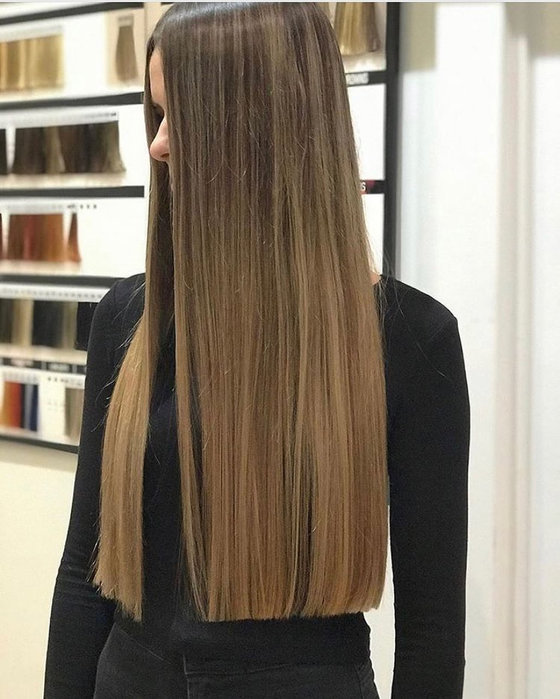
This option relies on a dense, level, one-length perimeter and a dramatic side part. The horizontal hemline is the feature, while the part sends the length into one sweeping direction.
It is the sleek counterpoint to all the softer layered ideas here, proving you do not have to give up a clean, blunt line to consider haircuts for women 2027. Keep face framing minimal so the strong baseline stays visible.
Straight and softly wavy hair reveal the edge most readily. Fine strands can look beautiful in this shape, though lower density may need a slightly softened but still substantial edge so the ends do not appear sparse.
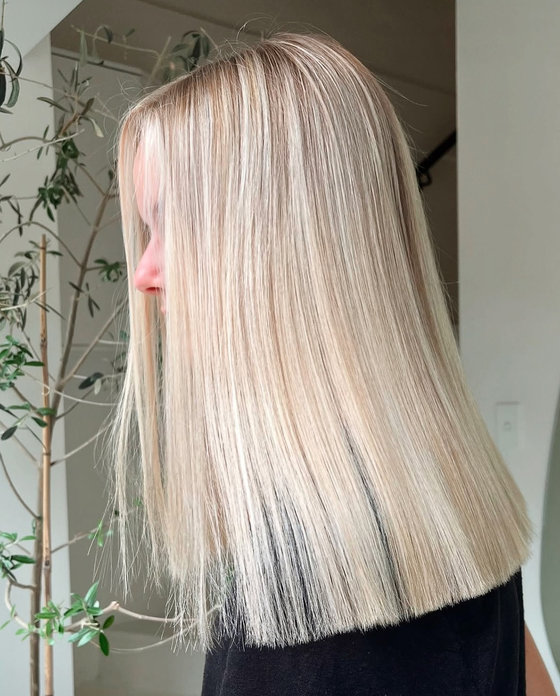
Dense or coarse hair might need careful internal adjustment only if it becomes unmanageably bulky. Curls and coils need a clear decision about natural or stretched wear before the length is set, with shrinkage respected.
Ask for a crisp one-length perimeter, no V shape, and no layers that interrupt the hemline. Blow-dry in sections with the nozzle directed down the hair shaft, then set the deep part while warm. A sharp edge makes uneven ends more visible, so optional light trims around eight to twelve weeks can help retain the graphic effect.
Bobs & “Bob-Maxxing” Styles
Bouncy Blowout Bob
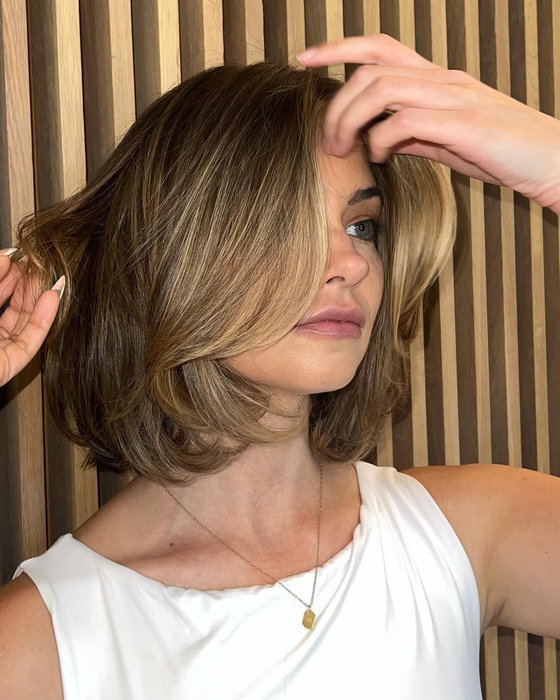
The bouncy blowout bob lands around chin to neck length, with a soft but substantial baseline and fullness through the middle and ends. It can turn under or flip outward in a deliberate retro finish.
This is not a glassy, poker-straight blunt bob, and it is not a heavily layered shag bob either. The movement comes chiefly from a round-brush or roller set, while the haircut gives that styled finish a strong base.
A mostly one-length version is especially helpful when fine strands or lower density need a fuller-looking perimeter. Medium-to-coarse, dense hair can use subtle internal shaping if it is truly too bulky, but lots of thinning takes away the polish.
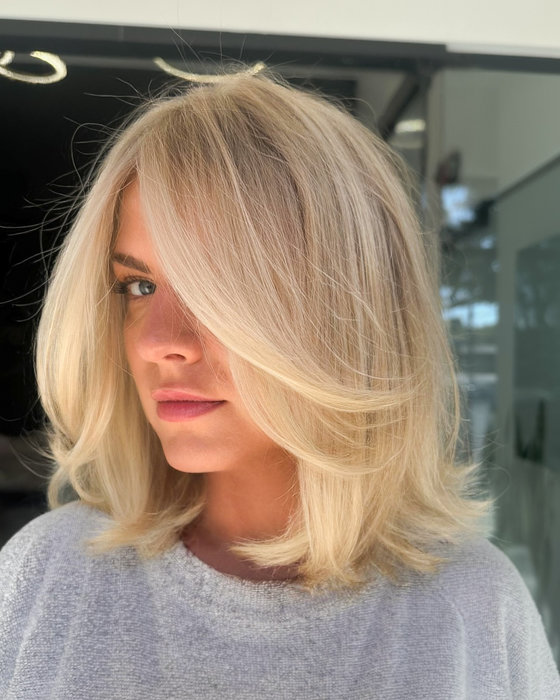
Ask for gentle internal adjustment that will round with a blow-dry, not shaggy layers. For styling, work in small sections with a medium round brush, lift each root slightly, and wrap the last inch in the direction you want the ends to turn.
Let sections cool before brushing through. It is a little more hands-on in the morning, and the perimeter may welcome a trim around six to ten weeks if you want the bounce to stay crisp.
- Ask for a strong baseline, not heavy shag layers.
- Use a medium round brush or rollers to create the flip.
- Let each warm section cool before you brush it through.
Textured French Bob
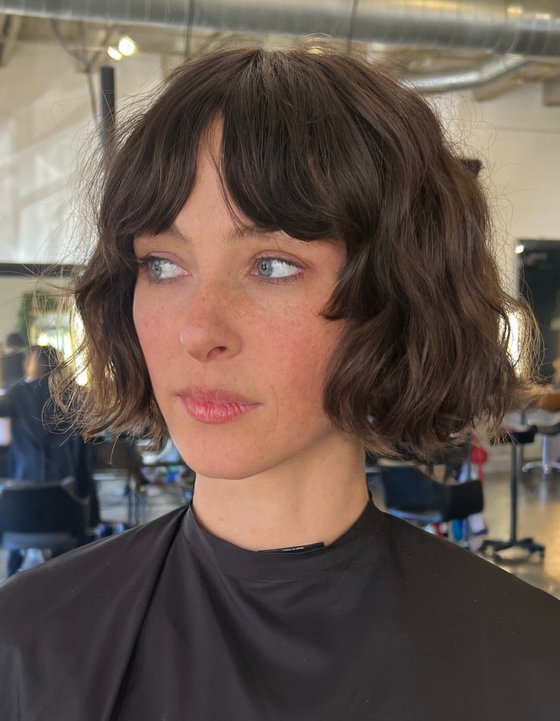
The textured French bob sits close to the jaw with a lightly broken edge and a wispy fringe that can open at the center. It has enough base weight to remain a bob, but its softer perimeter keeps it from reading like a rigid little helmet.
Think natural bend and subtle surface detail, not the polished fullness of the flip bob or the squared edge of a boxy bob. It should never need so many layers that it turns into a mini shag.
On dry hair, add only a few loose alternating bends through the mid-lengths, leaving the ends mostly out, then separate them with your fingertips. That relaxed unevenness keeps the finish believable.
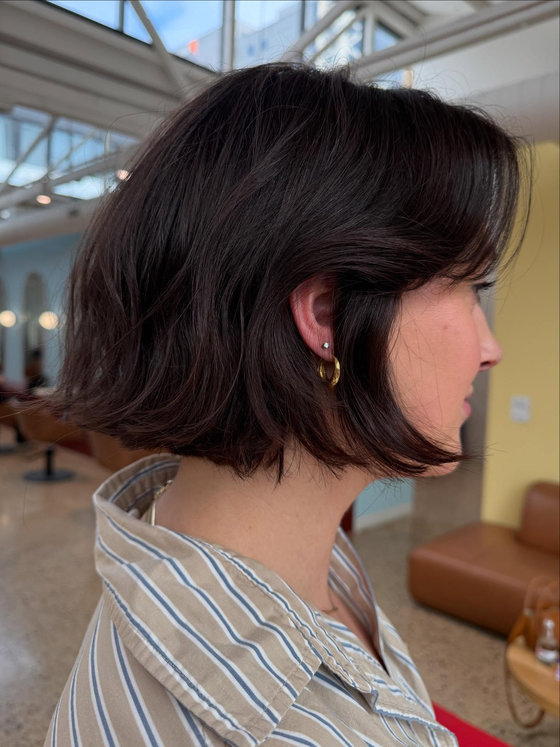
Fine strands and lower-density hair usually do best with a stronger perimeter and very soft point-cut detail rather than thinning, razoring, or big layers. Denser hair can take carefully placed internal weight removal when needed.
For curls and coils, discuss natural versus stretched wear before setting the jawline length and fringe. Ask for an airy edge, a split-friendly fringe, and enough weight to support the outline. A fringe tidy or light reshape around six to eight weeks can be useful if you like the original softness.
Preppy Collarbone Bob (Lob)
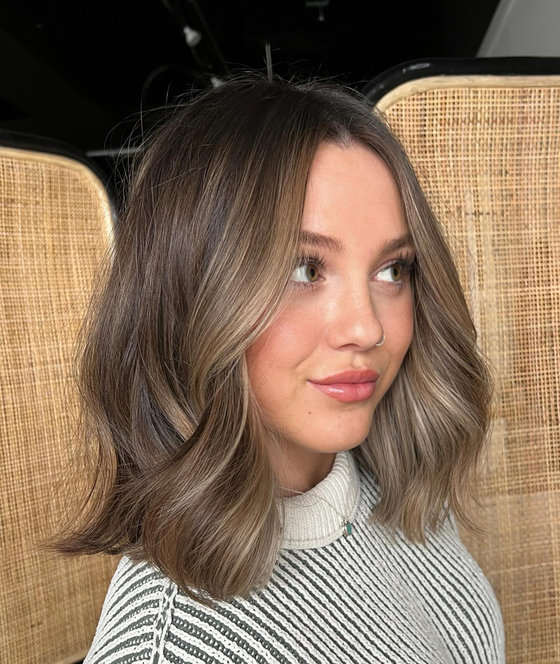
A collarbone lob with a clean, full-looking perimeter has a wonderfully composed feel, especially with a deep side part and one side tucked behind the ear. It is more structured than a shaggy lob and longer than a chin bob, but not automatically low-maintenance. The tucked side and smooth sweep can make a simple blow-dry look finished, while the other side falls with a bit of controlled softness.
Choose long, discreet internal adjustment only if your texture genuinely needs it. Fine strands or low density usually benefit from a substantial baseline, while dense or coarse hair may need custom weight distribution to prevent a blocky result.
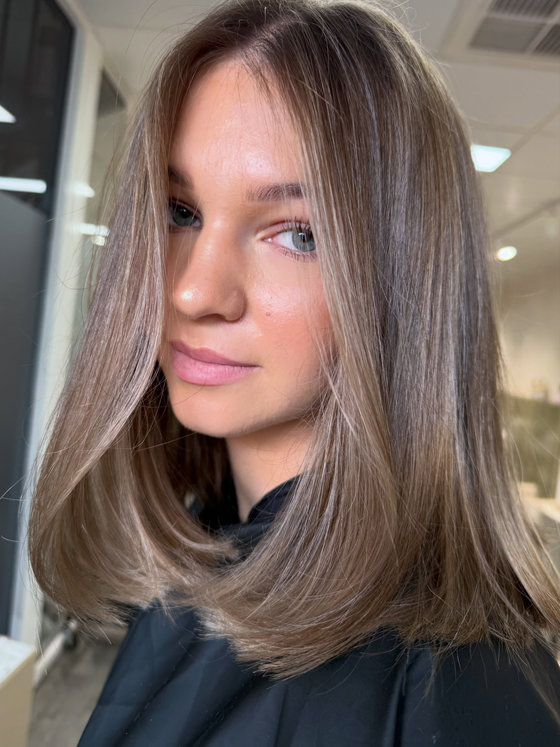
Curly or coily hair deserves a length check in the natural or stretched finish you wear, with shrinkage considered before the collarbone placement is decided. Request ear-tucking length, a deep-wearable part, and long subtle layers instead of obvious shag layers.
Direct your roots toward the part with a medium brush, turn the ends slightly under, then tuck after the hair cools. The line may want attention around eight to twelve weeks if you prefer it sharp.
Rounded Curly Bob
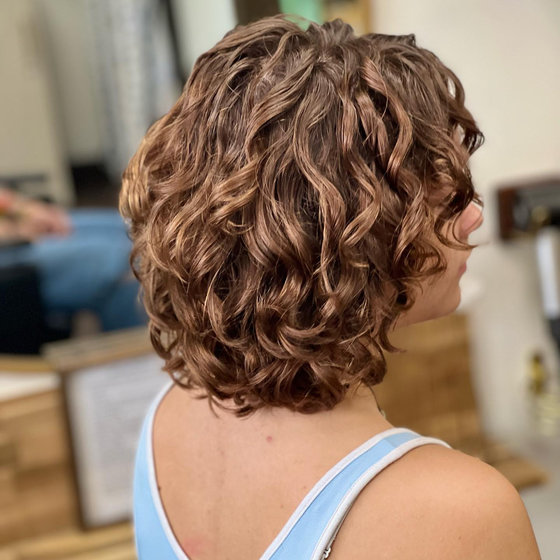
The rounded curly bob creates a balanced halo around the chin to jaw area, with gentle crown lift and an even width through the sides. Its goal is a cohesive rounded silhouette, not a sharply graduated back and not a disconnected curly shag. A one-length curly bob can sometimes build too much weight at the bottom, so the answer is thoughtful shape placement, not automatically taking out hair everywhere.
This one should be designed in the way you normally wear your curls or coils, with shrinkage part of the conversation from the start. Lower-density or fine-stranded curls often need a fuller perimeter and fewer, longer layers.
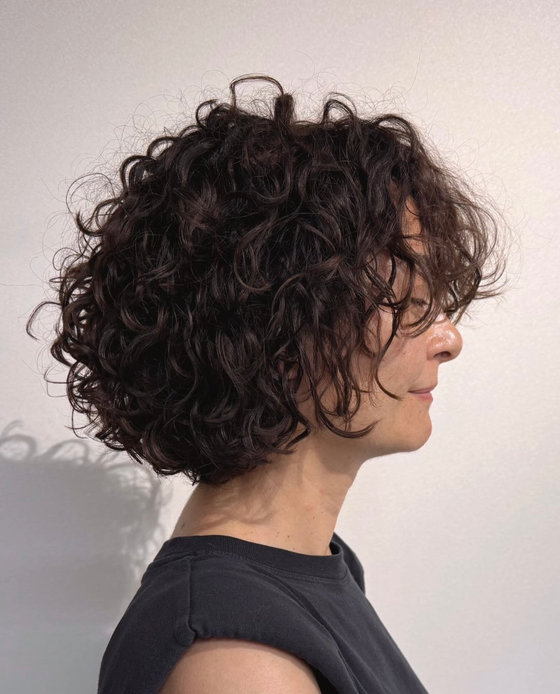
Dense curls may benefit from carefully placed interior shaping where the outline feels heavy. Ask to see the result from front, side, and back before more weight comes out, and avoid blanket thinning or razoring.
On soaking-wet hair, apply leave-in and hold product in small sections, smooth and scrunch them into place, then air-dry or diffuse with minimal touching. The outline can shift as it grows, so an occasional shape check, often somewhere near eight to twelve weeks, helps keep the halo balanced.
- Choose the length in the curl pattern you wear most.
- Talk about shrinkage before setting the perimeter.
- Ask to preserve weight where your curls need it.
Asymmetrical Side-Part Bob
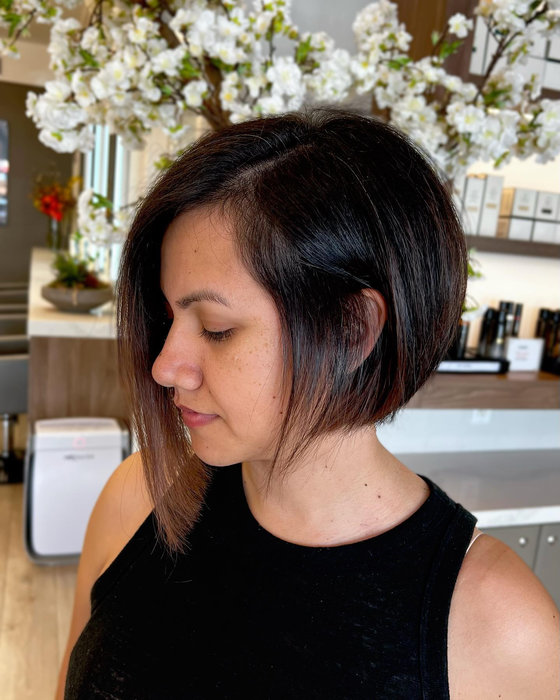
The asymmetrical side-part bob is purposely uneven from side to side, with one side subtly longer and a deep part creating a fuller sweep above it. That separates it from an A-line bob, which gets longer evenly from back to front, and from a regular bob that is merely tucked behind one ear. Keep the difference refined enough that the line still feels intentional, whether you choose a blunt edge or a few long layers.
A substantial perimeter usually gives fine strands and lower density the best foundation. Thick, coarse, or dense hair may need weight removed only where it stops the line from sitting cleanly.

Curly and coily versions should be checked dry in the natural or stretched finish so shrinkage does not erase the side-to-side balance. At the salon, point out the side you naturally part on and say how much longer you want the other side.
For a sleek finish, dry small sections toward the longer side with a flat brush, then bend the ends under lightly. A crisp asymmetry is more noticeable as it grows, so it may need reshaping a bit sooner than an easygoing even bob.
Bangs & Fringe-Forward Cuts
Soft Wispy Bangs
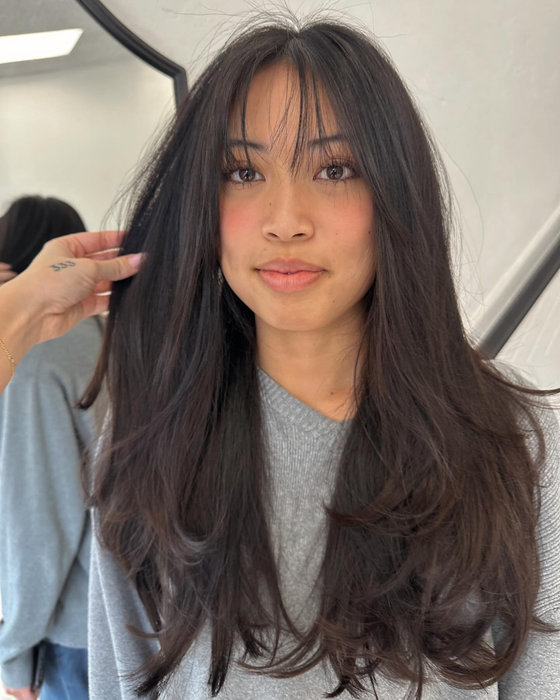
Soft wispy bangs are a fringe update, not a separate full haircut. They skim the brows or upper lashes in narrow, feather-soft sections, with enough length to split slightly or sweep aside.
Unlike curtain bangs, they still read as fringe first. Unlike a micro or blunt fringe, they leave a little more air between the pieces and blend gently into the face frame.
After rough-drying, move a small round or flat brush from side to side across the roots, then let the fringe settle into its usual part. Finish with the tiniest amount of lightweight cream or dry texture spray through the ends, keeping product away from the roots.
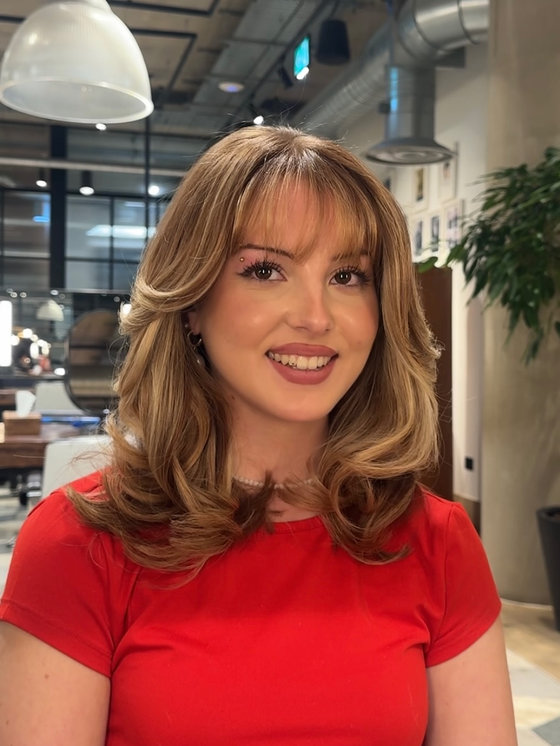
Straight to loose-wavy hair is the most straightforward match, but texture is only part of the call. Fine strands and lower density often need a slightly wider, softly blunt baseline with very little texturizing, since overly sparse ends disappear quickly.
Curly and coily fringe should be cut longer in natural wear to allow for shrinkage. Ask for an add-on to your current cut that can part or push aside, and expect a fringe-only tidy every few weeks if eye-skimming length bothers you.
- Choose a length that can part or sweep aside.
- Keep enough weight at the fringe line so it does not disappear.
- Plan for a quick fringe-only tidy if it starts landing in your eyes.
Grown-Out Bangs Cut

This is also a bangs update, built around a pronounced center or soft off-center split that opens near the brow and continues into cheekbone-to-jaw face framing. The rest of the hair stays relaxed and relatively continuous, so it is not a classic full shag or a separate curtain bang sitting on top of the cut. You may see it labeled a Beckham-style grown-out fringe, but names vary and the shape in the photo matters more than a celebrity tag.
On damp hair, make your normal part, dry the fringe forward with a small round brush, then guide each side away from the face and let it cool before separating it with a touch of lightweight cream. Straight to wavy hair shows the cleanest split.
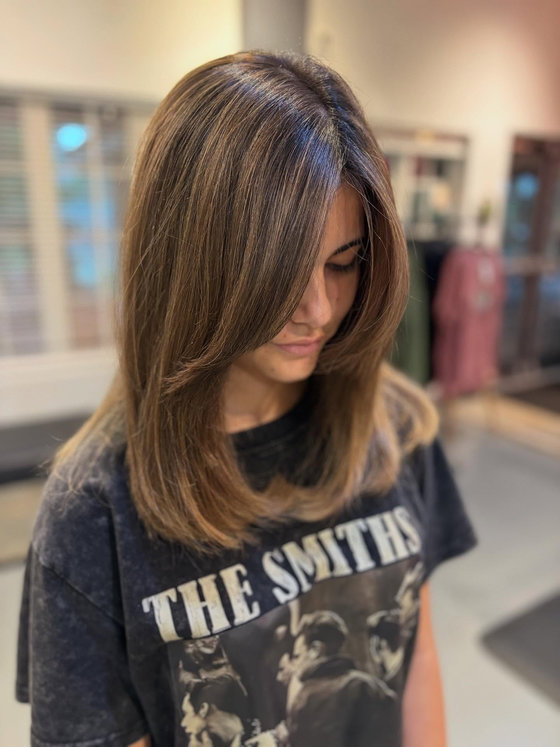
Fine strands or lower density can use a narrower, lighter panel with restrained face framing instead of removing lots of hair. Curls and coils need the front planned in the natural or stretched finish you prefer, with shrinkage built into the length.
Request a substantial split fringe that melts into longer lengths, not aggressive thinning or razor work. The grown-out effect can need fewer fringe trims than a blunt bang, but it still needs a little direction after washing.
Statement Heavy Fringe
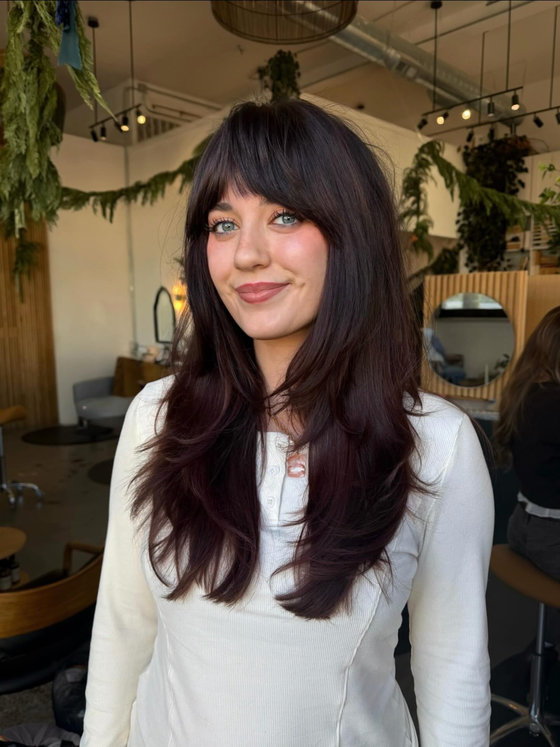
The statement heavy bangs is the third and most structured fringe update in this group. It forms a substantial, eyebrow-grazing band with enough weight through the center and corners to feel intentional.
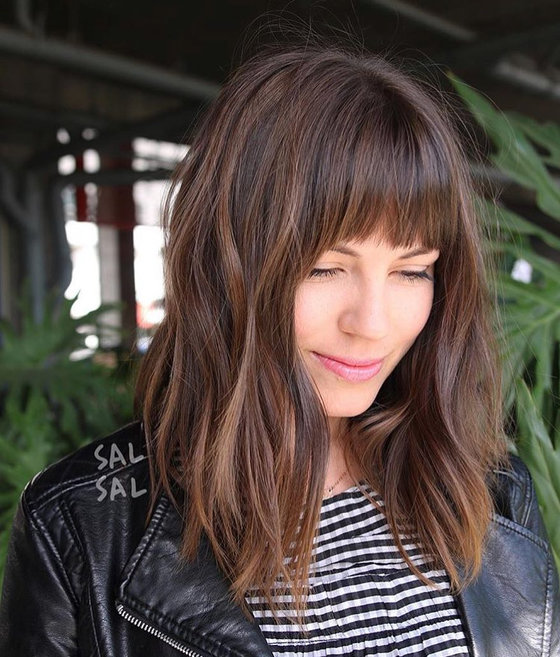
Pair it with a clean bob or midi so the silhouette has a firm outline and the fringe remains the focal point. It is not a parted curtain, bottleneck fringe, or softly feathered shag fringe. The goal is a continuous eye-level line with very little visible separation.
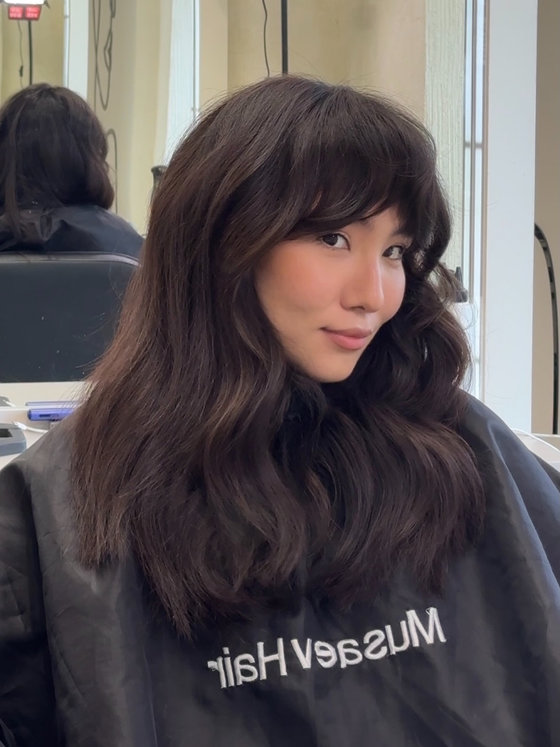
While the fringe is towel-damp, dry the roots from center to left, center to right, and then straight down with a concentrator nozzle and small flat brush. Give only the ends a slight under-bend.
This daily reset helps settle growth patterns and sleep creases, but it does not mean the entire cut needs the same attention. It is easiest to direct on straight to softly wavy hair with enough front density, though a narrower fringe can work for lower-density hair when its weight is preserved.
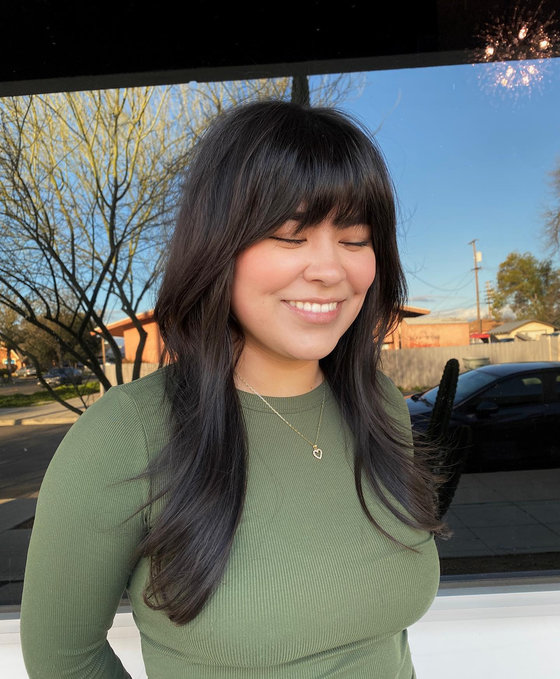
Coarse, dense hair needs careful shaping rather than blanket thinning. For curls or coils, decide on natural versus stretched wear before cutting and allow for shrinkage. A fringe tidy around three to five weeks is a useful starting point if you want it off your eyes.
Short & Pixie Cuts
Sculpted Pixie
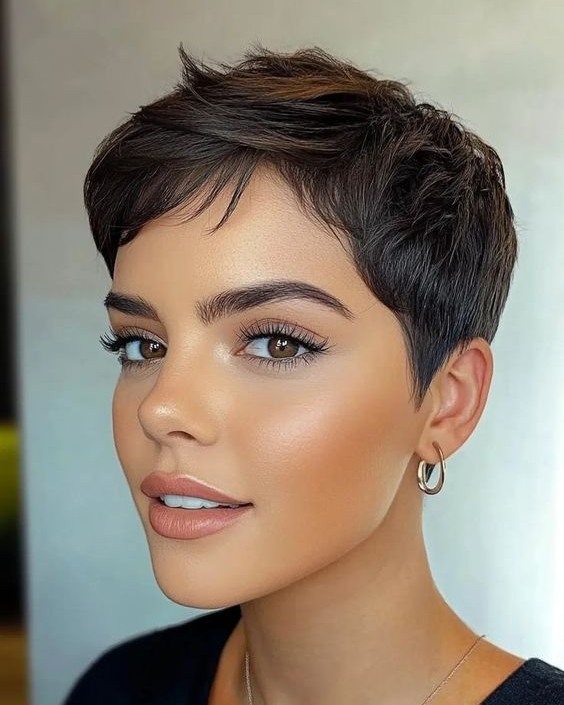
The sculpted pixie is compact at the nape and around the ears, with a longer top that can sweep smooth or break into a few soft pieces. That controlled contrast is what separates it from a buzzier crop and from a rounded pixie-bob. Keep weight focused through the crown instead of building equal fullness everywhere, and it stays polished without looking overly helmet-like.
Fine strands or lower density usually need a more solid top and very little internal removal. Dense, coarse hair may need selective debulking only where it pushes out the sides.
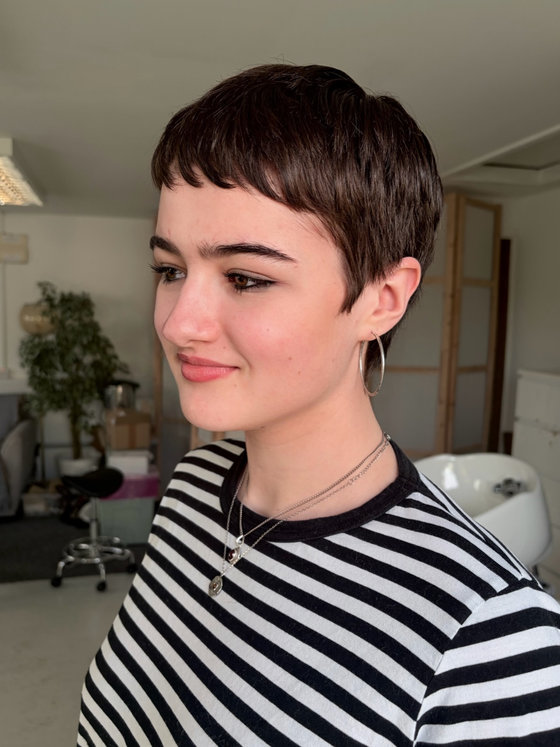
With curls or coils, decide whether you want the shape read natural or stretched, since shrinkage changes the landing point. At the appointment, ask for a neat, close foundation with a moldable top, not aggressive thinning.
A pea-size styling cream and a quick directional dry make the top behave. The crisp outline does show growth, so nape or ear cleanups may appeal every four to eight weeks.
- Keep the nape and ear area close.
- Leave enough length on top for the finish you actually wear.
- Decide whether you want it smooth, softly swept, or piecey before the cut begins.
Gamine Micro-Crop
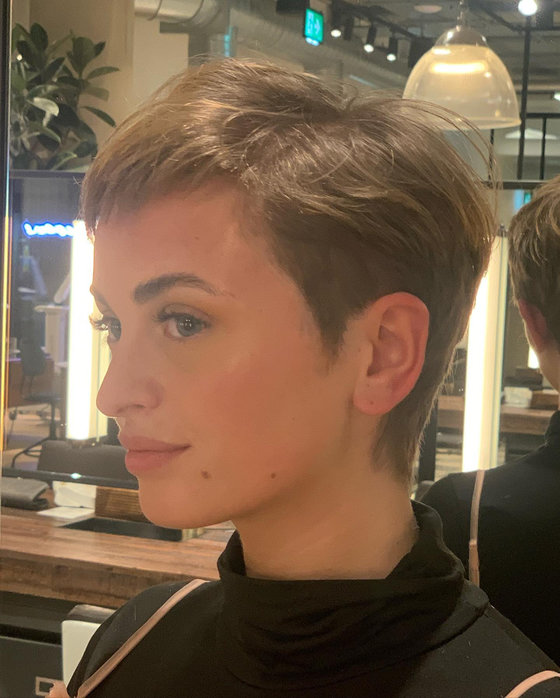
A gamine micro-crop keeps the nape and ears close, leaves a touch of crown length for direction, and adds a softly broken fringe well above the brows. It is more graphic than a soft pixie and much shorter than a bixie, but it should not become an all-one-length buzz. That small crown-to-fringe transition gives it personality while the perimeter stays clean and compact.
Straight and wavy textures reveal the tiny fringe easily. Fine strands and low density are different things, yet both often benefit from a stronger outline and restrained layering so the shape does not turn see-through.

Dense hair can have weight eased only where bulk spoils the line. For curls and coils, set fringe length for natural shrinkage or the stretched finish you wear most.
Tell your stylist you want a compact crop with a soft micro fringe and enough crown for finger styling, not a mini shag. It is a precision choice, so a sharp version commonly needs a quick outline refresh sooner than a relaxed pixie.
Soft Side-Swept Pixie
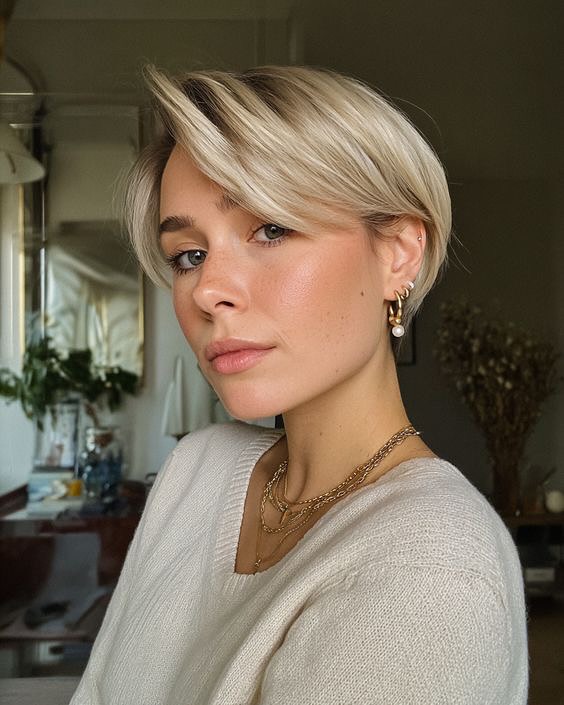
This longer pixie gets its charm from a deep part and a diagonal fringe that travels across the forehead, rather than from a severe undercut. The nape and sides stay compact but softly connected, while the crown has enough length to sweep instead of standing straight up. It feels more directional than a classic pixie and less rounded than a bixie or pixie-bob.
Make the part before you style. On damp hair, apply heat protectant, then guide the fringe forward and slightly across with fingers or a small round brush as you blow-dry.
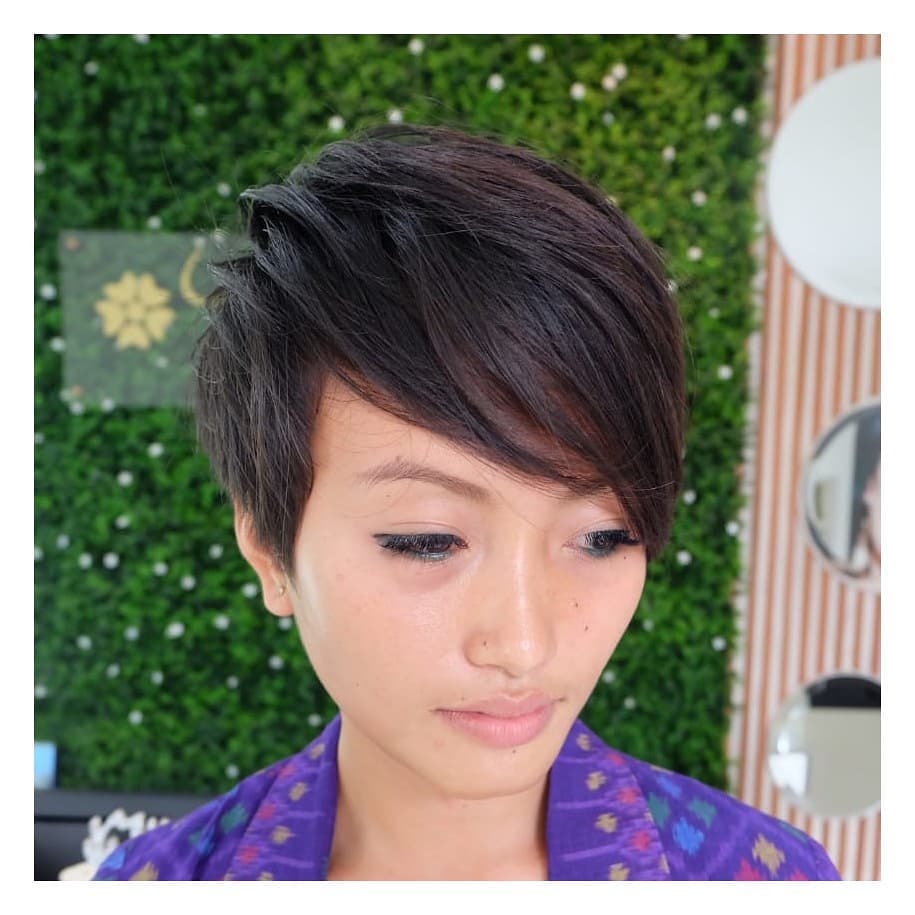
Let it cool in position before you loosen it. That bit of direction creates the sweep, not a promise of instant volume from the cut.
Straight to wavy hair tends to cooperate with minimal coaxing; curls and coils need the fringe planned for natural shrinkage and the finish you prefer. Fine hair may need supportive weight through the top, while denser hair can take targeted weight distribution. When the fringe no longer lands where you like it, a small shape check can bring the cut back into focus.
Shags, Layers, & Medium Lengths
Voluminous Shag
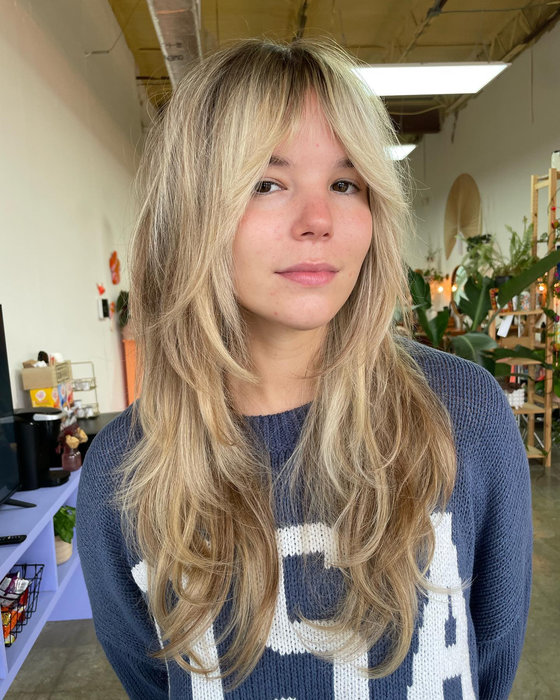
This shag puts the energy at the crown, then lets airy, irregular layers move through the mid-lengths and ends. It has a rock-and-roll edge without the dramatic, disconnected contrast of a wolf cut.
The perimeter stays soft, but the ends still need enough substance to keep the cut from looking frazzled. Natural wave brings out the idea beautifully, though straight hair can absolutely wear it with a little styling help.
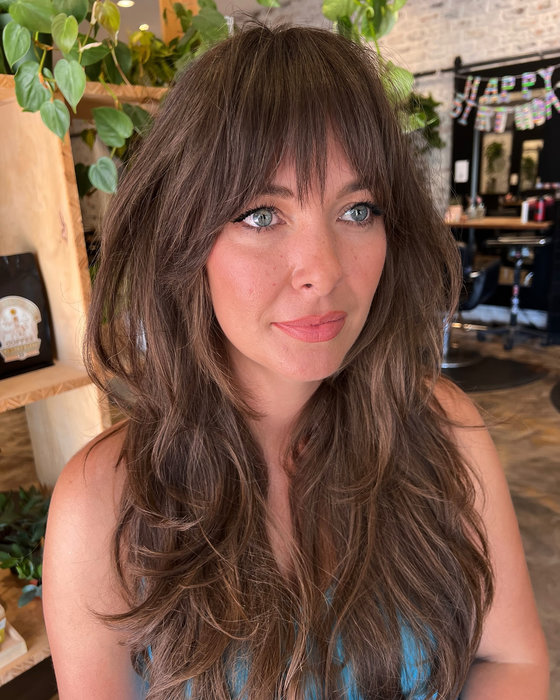
A light mousse or root-lift product at the crown, followed by diffusing while you lift sections upward, is what gives this look visible lift. Layers alone do not create a blowout.
Fine strands or lower density generally need fewer, longer layers and a sturdier outline. Dense hair may take selective internal release where bulk interrupts the movement.
For curls and coils, assess the silhouette in natural wear, allow for shrinkage, and preserve enough length and weight. Ask for a rounded, lived-in crown without a harsh wolf-cut break, and be clear about any fringe you want. The crown-to-ends balance can blur as it grows, so a shape refresh around eight to twelve weeks is a sensible starting point.
Curtain Fringe Lob
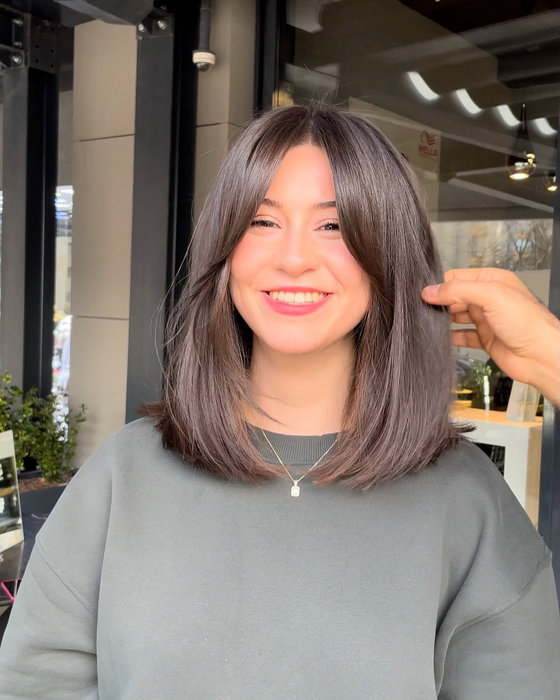
The curtain fringe lob is a collarbone-length cut with a soft center-parted fringe that opens near the brow or cheekbone and melts into long face-framing layers. It is not a shag with short, choppy layers, and it is not a blunt lob with a separate heavy band of bangs. The front should look connected, while the ends stay present enough to keep the overall length feeling like a true lob.
For a polished split, dry each fringe section forward first, then roll it away from the face with a medium round brush and let it cool before separating it. The cut positions the fringe, but the brushwork gives it that airy sweep.
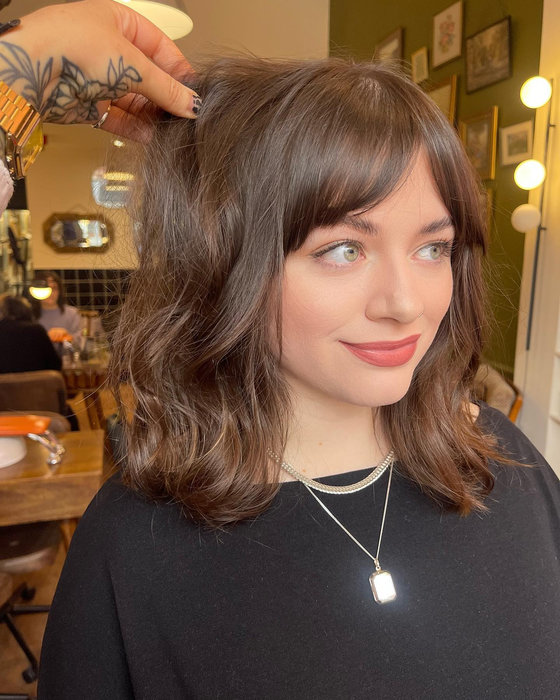
Straight to wavy hair shows the lines most easily. Fine strands and low density usually call for restrained long layers and a full baseline; medium-to-high density can support more interior release when appropriate.
Curls and coils need a curl-aware plan that accounts for shrinkage, especially at the shortest front pieces. Tell your stylist you want the fringe to work in your natural finish, not only after a blowout. The fringe may deserve a check-in before the collarbone length does.
Butterfly Layers
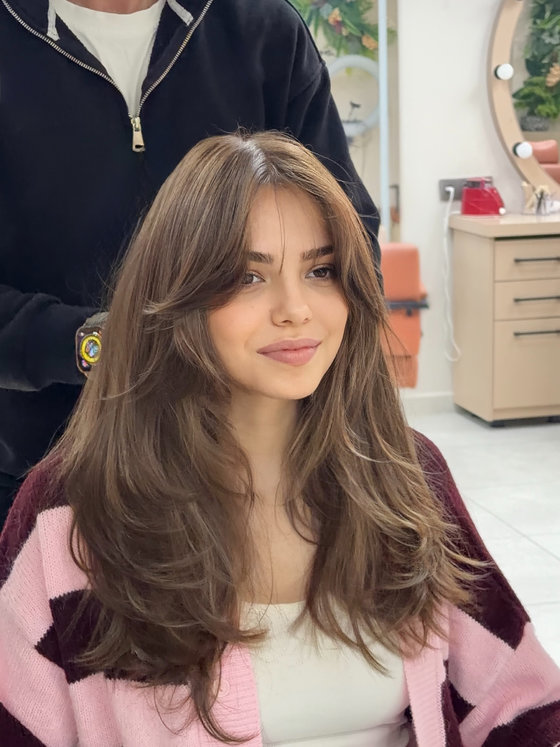
Butterfly layers create two connected levels: shorter face-framing pieces that lift and bend outward, plus longer layers that keep length through the perimeter. The front wings often begin around the cheekbones or jaw and flow into the lower curtain, without a hard shelf.
It is less choppy than a shag and more intentional at the front than ordinary long layers. A split, grown-out fringe can complement it, but it is not required.
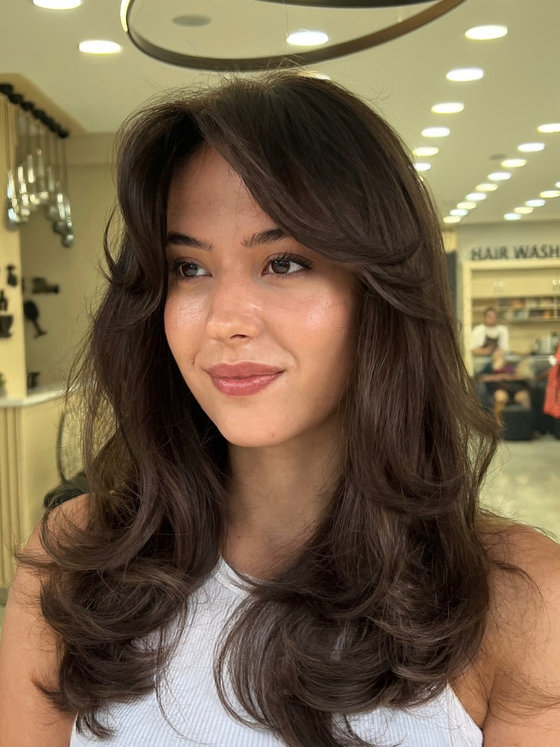
The outward sweep is a styled result. Blow-dry the framing pieces forward, then roll them away from the face with a medium round brush and allow them to cool before you loosen them.
Straight and wavy textures tend to show that winged shape most clearly. Fine strands or lower density often look best with conservative, longer framing and a preserved perimeter instead of broad thinning.

Dense or coarse hair can use tailored weight distribution so the lengths do not overwhelm the front. On curls and coils, map the layers for natural or stretched wear and expect a softer, more diffused version of the wings. Request face-framing that blends into your length, with minimal texture removal and no short, shaggy crown layers.
- Keep the front pieces long enough to blend into your length.
- Save a photo showing how much lift you want around the face.
- Use a round-brush blow-dry when you want the full winged effect.
Classic Midi Cut
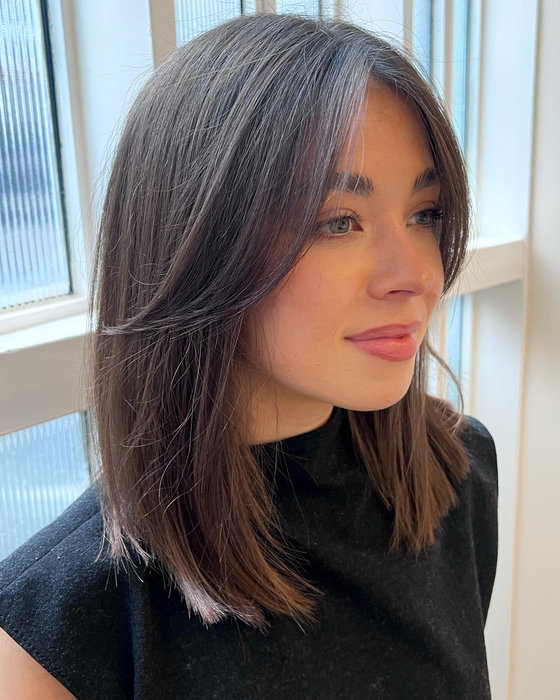
The classic midi is shoulder-grazing, near one length, and defined by a clean, softly solid perimeter. It is longer and less bob-like than a classic lob, yet more deliberate than simply growing out medium hair.
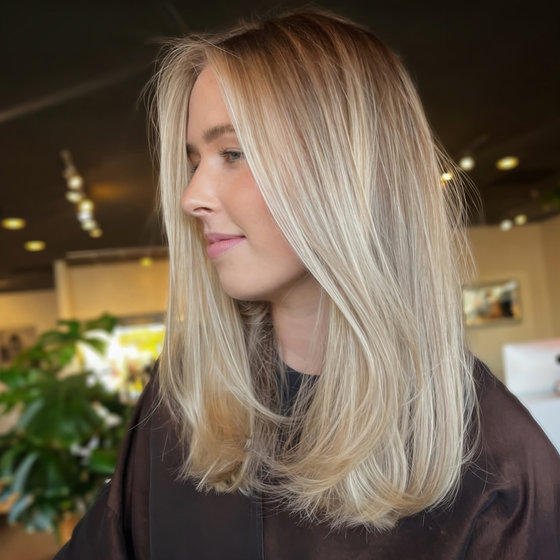
The continuous outline is the point. Any internal shaping should be hidden and conditional, used only where your density and texture truly make the hair sit too heavily.
Ask for a mostly one-length collarbone-skimming cut, not a heavily layered lob, and talk about whether you want enough length to tie back.
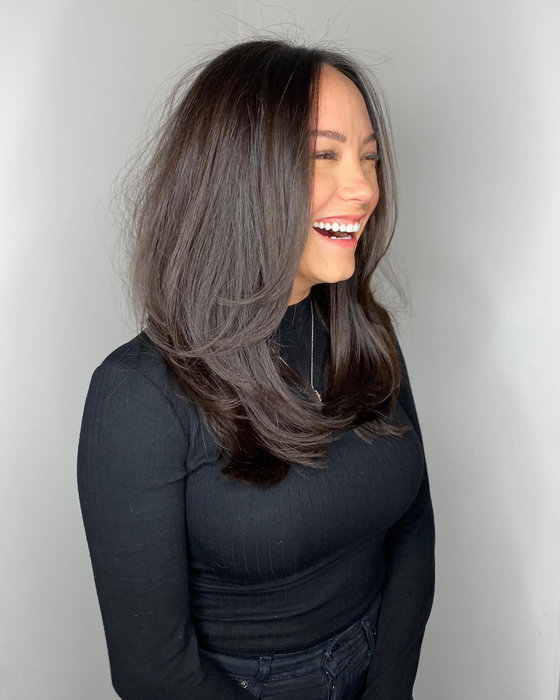
A medium round brush can turn the ends slightly under for an easy polished bend, but the cut does not manufacture lift. A perimeter refresh around eight to twelve weeks keeps a sharper version looking purposeful.
’90s Supermodel Blowout Cut
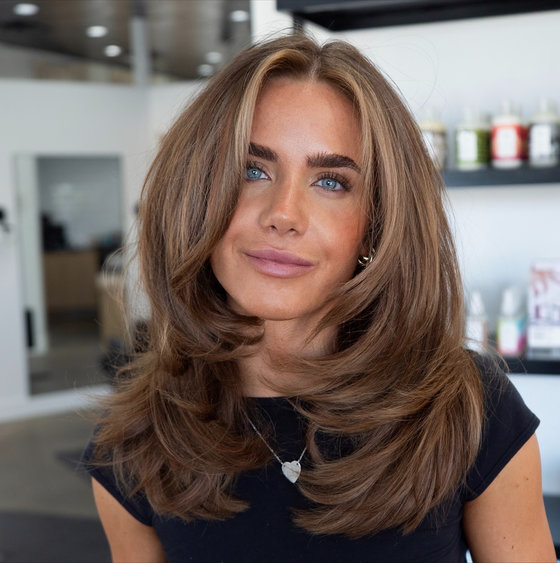
Long, polished layers beginning below the chin give this blowout cut a smooth, buoyant feel, while a substantial face frame can sweep away from the face. The most important detail is the comparatively weighty outline beneath the movement, often a soft U or near-straight perimeter. It differs from a shag because the layers are longer, smoother, and less piecey, with no need for short crown layers or an intentionally undone finish.
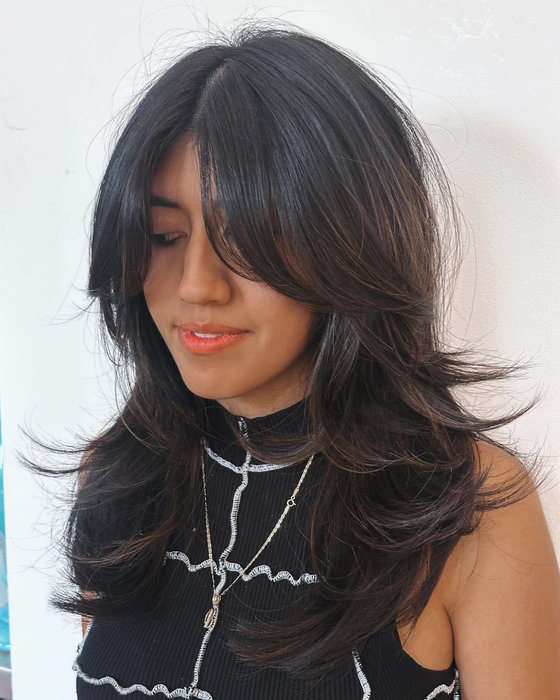
For the classic big finish, use manageable sections, a large round brush, and a concentrator nozzle. Lift at the root, direct air from roots to ends, roll through the mids away from the face, and let each warm section cool before brushing it out.
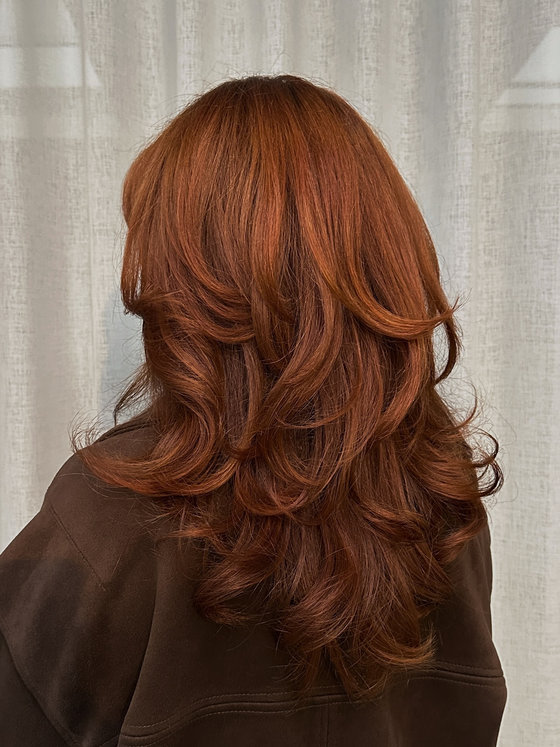
The styling creates the bouncy volume. Straight and wavy hair are the most direct match; fine strands need restrained, long layers and a strong baseline rather than thinning.
Denser or coarser hair can have weight distributed thoughtfully. Curls and coils can keep the face frame, but the result will read differently in natural wear and may suit a curl-aware or dry approach. Ask for seamless long layers and a full perimeter, not a shaggy, over-texturized cut.
Choosing Your Cut
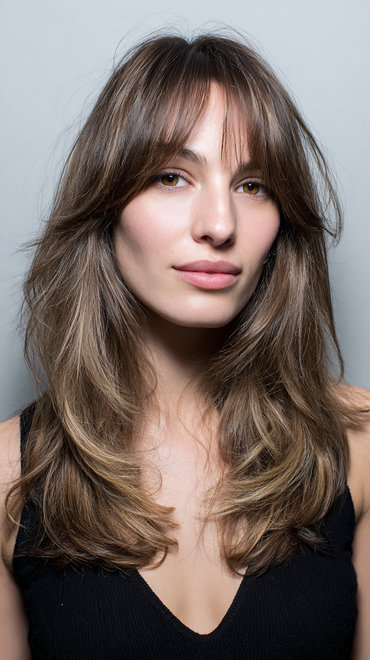
For fine strands, low density, or both, start by protecting the perimeter. Fine describes the width of each strand, while density describes how many hairs are present, and the right plan can be different for each.
Precision pixies, compact bobs, the classic midi, and blunt length can all work beautifully when layers and internal removal are kept measured. Ask to see how much hair would be removed before anyone reaches for thinning shears or a razor.
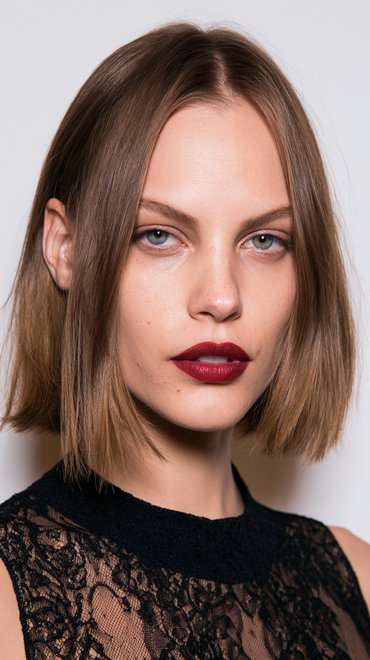
If your hair is dense or coarse, a great cut is usually about placing weight where it supports the silhouette and easing it only where it fights the shape. A halo bob, crown-lift shag, butterfly layers, or curl-focused long layers can be adjusted without taking texture out everywhere.

For curls and coils, bring photos in the natural or stretched finish you actually wear, and talk about shrinkage before a shortest layer or fringe is chosen. I would also mention cowlicks and whether you want enough length to tie back, because those everyday details affect the plan.
Finally, separate the cut you love from the styled result you saved. A polished flip bob, curtain sweep, butterfly front, or supermodel blowout earns its volume from a brush, rollers, direction, and cooling time.
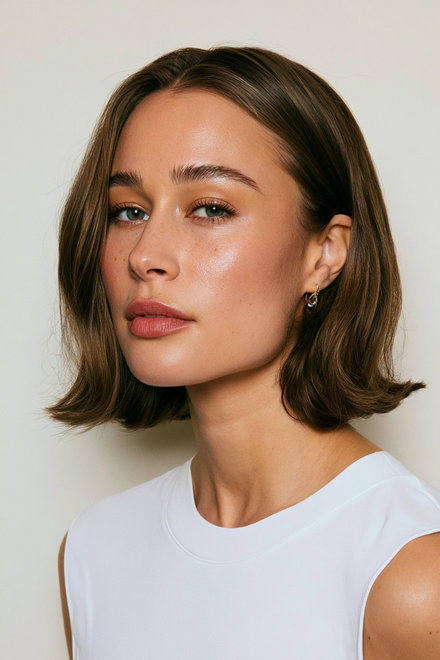
A soft U-cut, classic midi, or textured French bob may ask less of your morning, depending on your texture. Choose the version whose upkeep feels appealing, not the version you hope will style itself.
FAQs
Which options are easiest to maintain?
The soft U-cut, classic midi, and long feathered layers often grow out gently because their outlines are less precise. A tucked lob can also feel easy day to day, though its perimeter may need shaping if you like it crisp. Micro-crops, sharp pixies, asymmetrical bobs, and eye-line fringe show grow-out faster, so they usually ask for more frequent touchups.
How do I choose for fine hair?
Begin with the fullness you want at the ends. Fine strands do not automatically mean low density, but either concern can benefit from a stronger baseline, fewer layers, and restrained texture removal.
A polished bob, classic midi, long blunt length, or soft long layers can all be tailored well. Ask for a clear explanation before any thinning or razoring changes your perimeter.
Can curls and coils wear these cuts?
Absolutely, with a shape designed for your own curl pattern, density, and shrinkage. The soft halo bob and crown-lifted curly layers are obvious starting points, but bobs, fringes, lobs, and long cuts can work too. Decide whether you wear your hair natural or stretched most often, and make sure the length and front pieces are checked in that intended state.
What should I bring to the appointment?
Bring two or three photos showing the exact silhouette, not just a name, plus a photo of how you normally wear your hair. Be ready to say how much styling time you enjoy, whether you use a brush or rollers, your natural part and cowlicks, and whether tie-back length matters. The clearest request combines your preferred outline, texture finish, and the amount of fullness you want to preserve.