You’re standing in front of two amika hair masks that look kind of similar, cost about the same, and both promise soft, shiny, healthy hair. So which one do you actually need?
This mix up is common. Amika’s masks all use bold packaging and big claims, and the reviews for both The Kure and Soulfood are full of five star ratings. That makes it hard to tell them apart just by scrolling through Sephora.
This post may contain affiliate links, which means I’ll receive a commission if you purchase through my links, at no extra cost to you. Please read full disclosure for more information.
Here’s what you’ll get from this article: the real differences between amika The Kure and Soulfood, what each one is actually built for, and a simple answer to which one fits your hair. No guessing required.
What’s Actually Different Between The Kure and Soulfood
In one sentence: The Kure is built for damaged hair, and Soulfood is built for everyday dryness.
Amika markets The Kure toward hair that’s dealing with heat damage, color damage, or general breakage. Soulfood is aimed at hair that’s just plain dry and needs regular moisture, no matter your hair type or porosity (that just means how easily your hair soaks up and holds moisture).
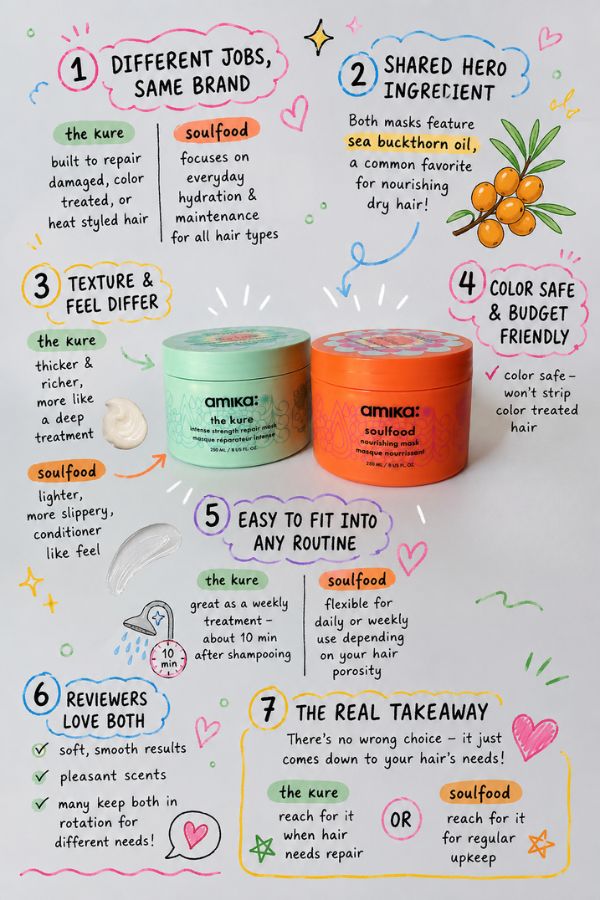
The two masks also feel different on your hair. Soulfood tends to feel more slippery and conditioner like. The Kure feels thicker and richer, closer to a deep treatment than a daily conditioner.
A few other things worth knowing up front:
- Both are color safe, so neither one will strip or fade color treated hair
- Both contain silicone, so don’t expect a “clean beauty” formula despite the branding
- Soulfood usually costs a bit less than The Kure
Here’s a simple way to think about it. If your hair feels dry after a beach trip, that’s a Soulfood problem. If your hair feels straw like after bleaching or a heavy week of heat styling, that’s a Kure problem.
Let’s start with the one built for damage control.
Amika The Kure Review: Does It Really Fix Damaged Hair?
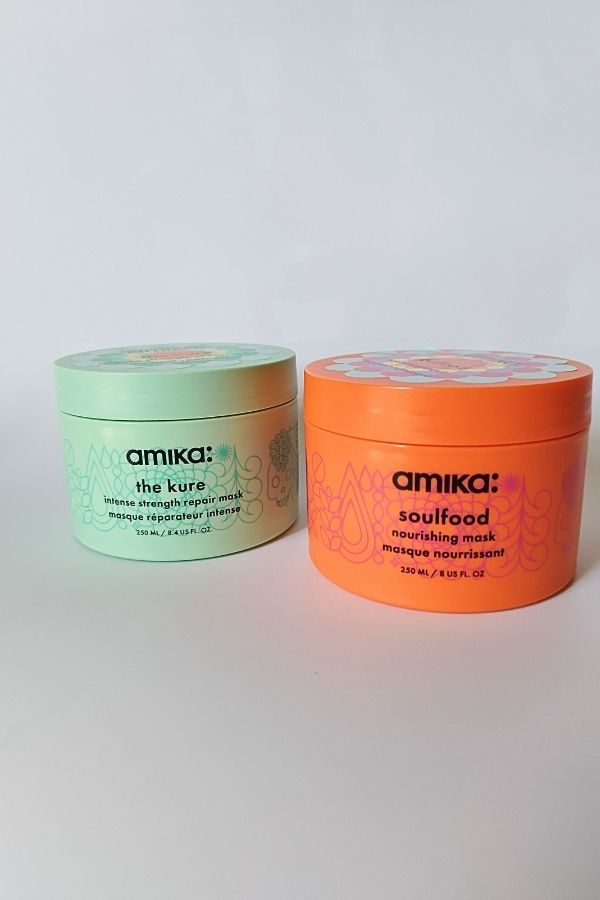
The Kure’s formula leans on a mix of ingredients that tend to show up in richer hair treatments. That includes sea buckthorn oil, borage oil, mango seed butter, shea butter, panthenol, and hydrolyzed quinoa. Those ingredients are common in products aimed at dry or damaged hair, and a lot of people find them genuinely nourishing.
People who’ve tried it often say the same things. Their hair feels softer right away. Curls look more defined. Tangling drops after just one use. That’s the kind of feedback you see over and over in reviews, especially from people with fine, color treated, or low porosity hair.
To use it, amika’s own directions say to apply it after shampooing and rinse it out after about ten minutes. That’s a fairly standard routine for a deep treatment mask, so it’s easy to fit into a normal wash day.
Now, amika does market The Kure with some big, lab sounding numbers about strength and breakage. Treat those the way you’d treat any brand’s marketing copy. They’re a general idea of what the formula is designed to do, not a guarantee for your specific hair. Damage level, hair type, and how you style your hair all change the outcome.

The one common complaint is price. You get a decent amount of product, but it’s not cheap for a jar that only lasts a few months.
So The Kure sounds great if your hair is already stressed out. But what if it isn’t? That’s where Soulfood comes in.
Amika Soulfood Review: Everyday Hydration or Just Hype?
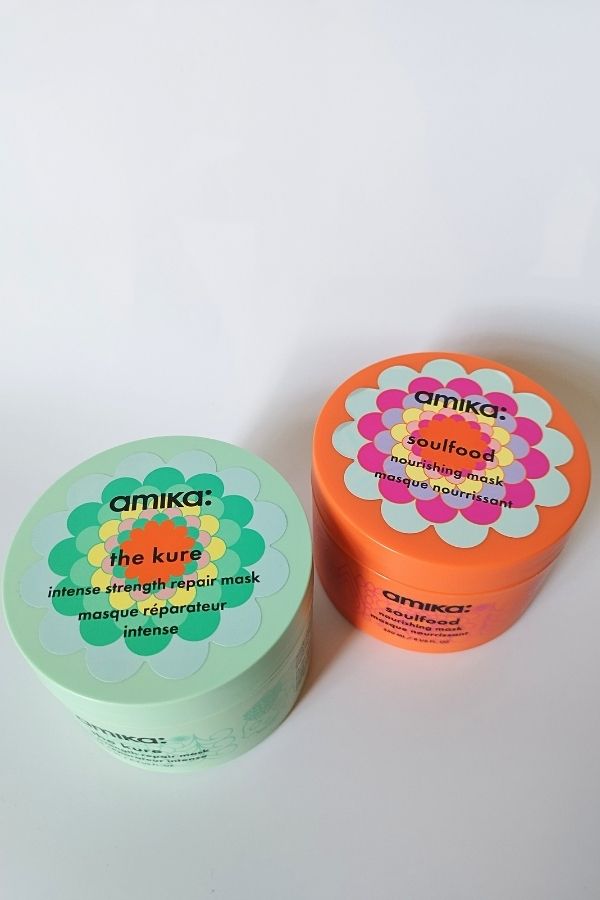
Soulfood takes a different approach. Instead of positioning itself as a rescue treatment, it’s built to be part of your regular routine. The main ingredients are jojoba seed oil and sea buckthorn fruit oil, along with panthenol and a base of cetearyl and cetyl alcohol.
This mask is marketed for all hair types and porosities, which is part of why it’s so popular. It’s not trying to fix a specific problem. It’s just trying to keep your hair hydrated week after week.
How often you should use it depends on your hair. If you have high porosity hair, meaning your hair soaks up moisture fast but also loses it fast, you can use Soulfood almost daily. If your hair is lower porosity, once a week is usually plenty.
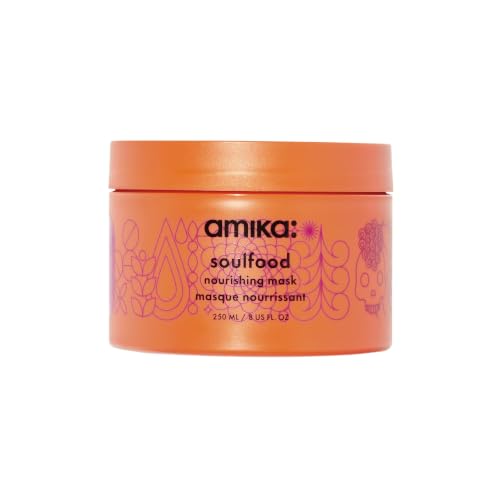
One thing worth flagging: Soulfood does contain isopropyl alcohol. A few reviewers have pointed out that leaning on it too heavily, especially as your only leave in product, can leave hair feeling dry over time. It’s a good weekly mask, but probably not something to rely on as your sole source of moisture every single day.
As for how it smells, most people describe it as a light vanilla, clove, and citrus scent. It’s one of the more common praise points in reviews, right along with the soft, smooth feeling it leaves behind.
So the ingredients are different between the two masks. But how different are they, really? Let’s look closer.
Ingredients Compared: What’s Really in Each Jar
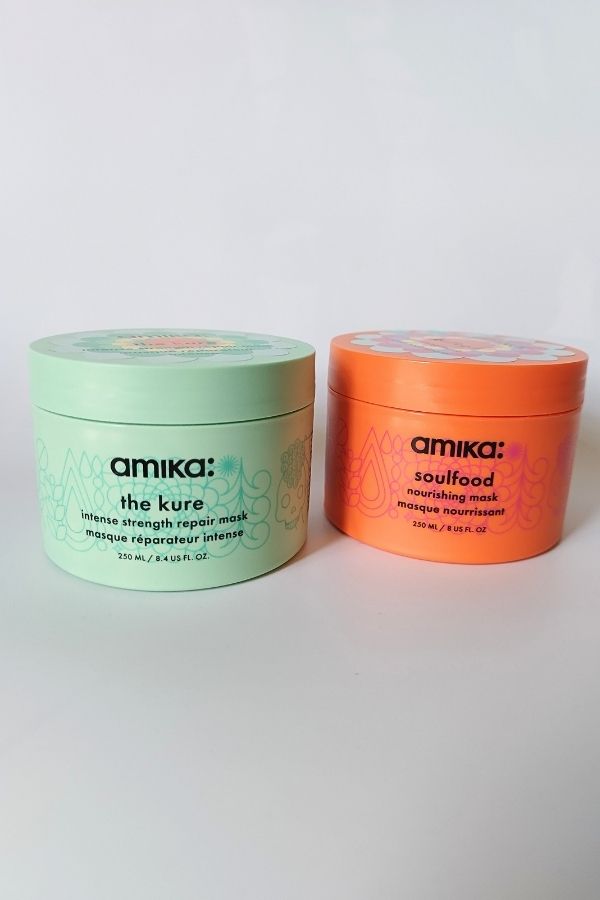
Here’s something a lot of people miss. Both masks actually share one hero ingredient: sea buckthorn. It shows up in The Kure and in Soulfood, and it’s often praised for its role in nourishing dry hair.
From there, the formulas branch off. The Kure adds mango butter and hydrolyzed quinoa on top of its shea butter base, which is likely why it feels thicker and more like a repair treatment. Soulfood leans mainly on jojoba oil, which is lighter and closer to what your scalp naturally produces.
Neither formula is fragrance free, so keep that in mind if you’re sensitive to added scent. And neither is a “clean beauty” formula in the strict sense. Both use dimethicone, a silicone that gives hair that instant smooth, shiny feeling. Silicone isn’t automatically bad by the way, contrary to some people’s belief, but if you’re expecting an all natural jar based on the fun packaging, that’s not quite what you’re getting.
None of this really matters, though, unless it helps you decide which jar to actually buy. So let’s get to that.
Which Amika Mask Should You Buy?
Here’s the short version, broken down by what’s going on with your hair right now.
- Damaged, color treated, or heat styled hair: go with The Kure
- Everyday dryness, frizz, or dullness with no real damage: go with Soulfood
- Watching your budget or want a mask you can use often: go with Soulfood
- Want a once a week treatment that feels like a salon visit: go with The Kure
One blogger actually tested both masks back to back, using each one for a stretch of time to compare results directly. She ended up leaning toward The Kure for shine and less frizz, though she also pointed out that Soulfood is the better pick if you’re mainly after basic hydration on a budget. That lines up with what most reviewers seem to agree on: The Kure edges ahead for damage, and Soulfood holds its own for everyday moisture.
The Verdict
Both of these masks are well liked for a reason. They smell good, feel rich, and most people walk away with softer hair. The real difference comes down to what your hair needs. The Kure is built for repair. Soulfood is built for upkeep.
Before you buy either one, be honest with yourself about your hair’s condition. If it’s damaged from color or heat, start with The Kure. If it’s just thirsty and needs regular moisture, Soulfood is the easier, cheaper habit to build. And if you’re still unsure, grab a smaller size of each before committing to the full jar. That way, in this amika The Kure vs Soulfood decision, you’re choosing based on your hair, not just the packaging.