This post may contain affiliate links, which means I’ll receive a commission if you purchase through my links, at no extra cost to you. Please read full disclosure for more information.
Let’s get real about heat-damaged hair. That dry, fried feeling after too much flat ironing or a marathon curling session is something most people know way too well. Heat styling makes hair look great in a snap, but if you go all in, your hair starts to fight back. Split ends, rough texture, and—let’s not sugarcoat it—hair that just refuses to behave. Sound familiar?
Here’s the honest truth: you can make heat-damaged hair look a whole lot better, but you can’t undo the damage. Once those bonds inside your hair snap, they’re not going back to how they were pre-straightener, no matter what the bottle promises. The real win? Learning how to manage, disguise, and prevent the damage from taking over your whole head.
So, grab your detangling brush. Let’s talk about what’s happening on top of your head and what you actually can do about it.
Heat Damage: What Really Happens to Your Hair

When you use hot tools, you’re working against how your hair naturally wants to be. Flat irons, curling wands, blow dryers, even that “just a little touch-up” at the roots—they all zap moisture from your hair. The damage goes deep:
- Cuticle: The outer layer, which is supposed to be flat and smooth, gets roughed up and jagged.
- Cortex: This middle part holds your hair’s strength and color. Heat weakens the proteins here.
- Protein Bonds: High heat literally breaks these links. They don’t glue back together on their own.
How do you spot heat damage?
- Ends that fray like old rope
- Sections that feel stiff, crispy, or tangled no matter how much you brush
- Hair that ‘doesn’t grow’ – but in reality, it just keeps breaking off due to heat damage
- Color that fades crazy fast
- That “cloud frizz” look when humidity hits
Why can’t hair just bounce back? Because once the inner structure is fried, you can’t rebuild those original protein bonds with a magic potion. But you can do damage control.
Managing and Improving the Appearance of Heat-Damaged Hair
Now for the good news. With the right aftercare, your hair can look better—sometimes a lot better. Think of it like patching a hole in your favorite jeans. You can cover it up and make it last, but the rip doesn’t vanish.
Here’s how real pros suggest handling heat-damaged hair:
- Gentle cleansing: Don’t strip out every last bit of moisture with harsh shampoo. Choose hydrating formulas.
- Condition, condition, condition: Regular conditioners are your base coat, but also add hair masks specifically for dry and damaged hair to your routine.
- Leave-ins, hair creams, and oils: These seal down the frayed cuticle, so strands look shinier and feel silkier. You may want to use a combination of a few different products to help restore the look of your damaged hair. This may take some trial and error – the key is using small amounts of each product.
At-Home Hair Treatments for Heat Damage

Caring for heat-damaged hair at home is simple but requires consistency and patience. Home treatments focus on hydration, nourishment, and protection. You can find many effective options at the drugstore or your favorite beauty retailer.
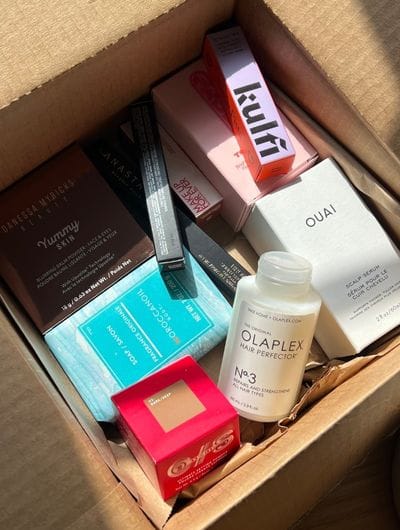
Deep conditioning masks, leave-in conditioners, and bond-repair formulas like Olaplex No. 3 and K18 Leave-In Mask are all strong choices. Affordable masks from brands like Garnier, Pantene, and Dove also work well for weekly treatments. These products smooth the cuticle, add softness, and help your hair look much healthier, even if they can’t fully repair broken bonds.
Structuring Your Hair Care Routine
A good routine can make a huge difference in how your hair recovers and looks day to day. Start with a gentle, sulfate-free shampoo—harsh cleansers strip hair and leave it even drier. Always follow with a rich conditioner to help rehydrate and seal the hair surface.
Once a week, use a deep conditioning mask or bond-building treatment for a moisture boost. Apply a leave-in conditioner or a few drops of lightweight oil after washing to keep hair smooth and manageable.
Be gentle at every step: detangle with a wide-tooth comb while your hair is wet and coated in conditioner. Skip rough towel-drying—press and blot instead. Avoid hot tools as much as possible, but use a heat protectant every single time if you must style.
Products We Love:
- Budget hair masks:
- Bonding hair repair treatments:
- Olaplex No. 3
- K18 Leave-In Molecular Repair Mask
- Amika The Kure Intense Bond Repair
- Epres bond repair treatment.
- Redken Acidic Bonding Concentrate
- Leave-in conditioners
- Serums, styling creams, oils:
- Heat Protectants:
- L’Oreal’s Sleek It Iron Straight
- Amika’s Blockade Heat Defense Serum
What really strengthens hair? Products like Olaplex, K18, and other bonding treatments use special ingredients to patch up those broken protein chains (at least for a while). Standard conditioners, oils, and shine sprays? They mainly make hair look healthier, but don’t rebuild lost strength.
You want to use both types of products so that you are simultaneously repairing bonds, but also improving the appearance of your damaged hair instantly.
Styling Safely After Heat Damage
You can’t always give up your blowout. But you can go easier on your hair with a few expert moves.
- Dial down the heat: Stick to mid-temp settings—don’t crank it all the way up.
- Heat protectants are a must: No exceptions. Even if you “just” air-dry most of the time.
- Air-dry when possible: Braid damp hair for waves. Use foam rollers. Try “flop drying” with a cotton shirt.
- Switch up styles: Messy buns, loose braids, ponytails—anything that avoids tight elastics and direct heat.
- Avoid daily hot tools: Give your hair a few heat-free days every week.
And for anyone still battling frizz or flyaways, work a few drops of oil or serum through your ends (just don’t go wild). This gives you high-gloss, high drama, and no crispy bits.
Being Gentle and Using Protective Styles

Handling your hair with care helps prevent further breakage. Sleep on a silk or satin pillowcase, or wrap your hair in a scarf to cut friction.
Protective hairstyles—like loose braids, twists, or buns—minimize stress on your strands and protect ends from rubbing and breakage. Keep styles loose to avoid pulling at the roots. Rotate hairstyles often and take breaks from any tight ponytails or clips.
The Bottom Line: You Can’t Undo Heat Damage—but You Can Outsmart It
If you’re hoping for a miracle, sorry, but true repair just isn’t possible once heat has snapped those delicate inside structures. What you can do is make your hair look close to healthy, feel soft again, and prevent the rest from ending up the same way.
Key moves:
- Use real-deal bond builders like Olaplex, K18, and Redken Extreme for structural support.
- Keep a strong conditioner or mask on rotation at all times. You can even combine the two for extra conditioning power.
- Never skip heat protectant, no matter your budget.
- A trim might just be unavoidable. Assess how much damage there is and be realistic. Trimming your hair is the only real way to send heat damage packing.
Heat damage might not be curable, but hair can bounce back in spirit—and at least on the outside. You have options, from the salon to the drugstore aisle. With the right care, your hair will look so much better, you’ll almost forget it ever felt like hay. Almost.