You wake up. Your hair looks like it fought a small war. Tangles everywhere. Frizz around your hairline. Maybe a few strands on your pillow.
Here’s the thing, your night routine might be causing this. Not your shampoo. Not your diet. The hours you spend asleep matter too.
This post may contain affiliate links, which means I’ll receive a commission if you purchase through my links, at no extra cost to you. Please read full disclosure for more information.
Most people spend time on their morning hair routine. They skip the night one. But hair takes a beating while you sleep. Friction from your pillow. Tangles from tossing around. Dryness that builds up hour after hour.
This guide gives you a simple night routine. Seven steps. Nothing complicated. Just things you can actually do tonight.
Build My Nighttime Hair Routine
Why Your Hair Care Routine at Night Matters
Think about your hair during sleep. You move around. Your head rubs against the pillow. That rubbing is friction. And friction wears down hair over time.
Smooth fabrics, like silk or satin, let your hair glide instead of catching on the surface. Rougher fabrics, like cotton, tend to grab onto hair more. That extra grabbing can mean more tangles and more breakage by morning.

Cotton also tends to soak up moisture. Your hair can lose some of its hydration to the fabric overnight, which may leave it feeling drier in the morning.
Small amounts of friction, repeated every night, add up over weeks and months. That’s the whole idea behind a night routine. You’re not fixing one bad night. You’re stopping nightly wear and tear before it piles up.
Your scalp matters here too, not just your strands. A calm, well cared for scalp tends to support better looking hair overall.
Step 1: Detangle Before Bed
Don’t skip this step. Going to bed with knots makes things worse overnight.
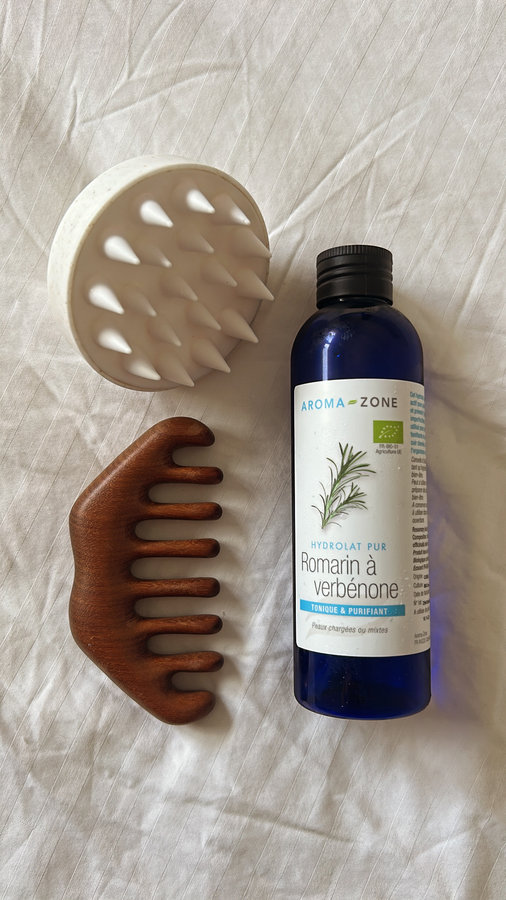
Use a wide tooth comb, or a soft detangling brush. Start at the ends of your hair. Work your way up to the roots. Going top to bottom pulls on knots and can snap hair.

If your hair is curly or coily, try detangling when it’s wet and has conditioner in it. Dry detangling tends to cause more breakage for curl patterns. Wet hair with some slip moves easier.
This step takes two minutes. Skip it, and you’ll wake up to bigger knots and more breakage.
Step 2: Add a Light Oil or Leave In Treatment
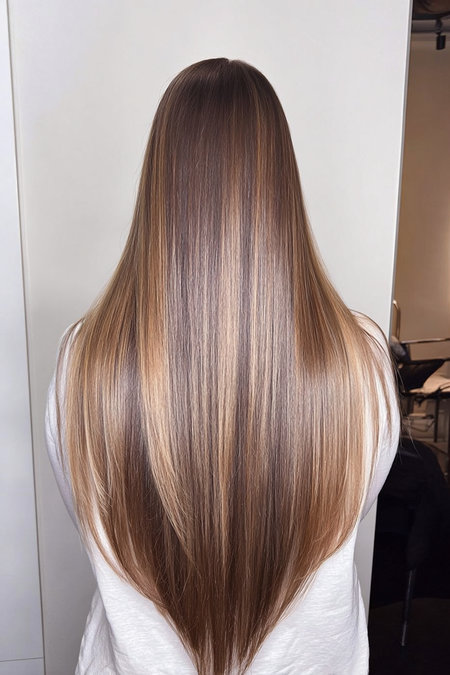
Your hair tends to dry out overnight. A light product helps it hold on to some moisture.
Pick something light for daily use. Argan oil or jojoba oil work well for most hair types if you really want natural option, but I personally find that it’s really easy to put too much of it in, resulting in oily hair next day.
A great store-bought option is Kerastase Nutritive 8H Magic Night Serum Treatment. Save thicker masks for once or twice a week, not every night.

Put the product on the middle of your hair down to the ends. Skip your roots and scalp. Oils and conditioner sitting right on your scalp can weigh hair down and feel heavy by morning.
How often you do this depends on your hair. Oily scalp? Stick to two or three nights a week. Dry hair? You might want it every night.
Step 3: Don’t Forget Your Scalp

Healthy looking hair starts at the scalp. This gets ignored a lot.
Keep your scalp care gentle. No hard scrubbing. No harsh scrubs every night. Heavy scrubbing or too many strong oils on the scalp can cause irritation instead of helping.
If your scalp flakes, skip the rough scrub. A leave on scalp treatment made for flaking works better than scrubbing it away. Scrubbing just irritates a scalp that’s already stressed.

A healthy scalp routine isn’t about doing more. It’s about doing less, but doing it right.
Step 4: Should You Switch Your Pillowcase?

This is the part everyone argues about. Here’s the simple version.
Smoother fabrics like silk or satin create less friction against your hair than cotton does. Less friction generally means less rubbing and pulling on your strands while you sleep.
You’ll see brands throw out specific numbers, like “40% less breakage” or “half the frizz.” Treat those as marketing claims, not hard facts. Nobody outside the brand has checked them. That doesn’t mean a silk or satin pillowcase won’t help. It just means you shouldn’t expect a guaranteed exact result.
If you want to try it, a silk or satin pillowcase is a low effort swap. Just wash it the way the label says. Cold water and mild soap usually work best.
Can’t get a new pillowcase right now? A satin scarf or bonnet does a similar job. Wrap your hair before bed instead of swapping your bedding.
Step 5: Loosely Tie Your Hair, Don’t Pull It Tight
How you tie your hair before bed matters as much as what’s on your pillow.
Go for a loose braid or a loose bun. This stops tangling without putting strain on your hair.
Skip tight ponytails and tight headbands at night. Tight styles worn night after night can pull on your hairline over time. If you notice thinning, redness, or soreness near your hairline, loosen up your styles.
Your hair length changes what works best. Long hair does well in a loose braid. Short hair might just need a satin scarf to stay smooth.
Step 6: Adjust This Routine for Your Hair Type

Not all hair needs the same care. Here’s how to tweak the basics above.
Straight or fine hair. Skip heavy oils near your roots. They can flatten your hair and make it look greasy by morning. A light leave in spray works better.
Curly or textured hair. Try the pineapple method. Gather hair loosely on top of your head before bed. Add a light oil to your scalp once a week to fight dryness. A satin bonnet helps protect curl shape overnight.
Color treated or chemically processed hair. This hair type needs extra care. For at least a week after a color or chemical treatment, use overnight conditioning, cut back on heat styling, and detangle very gently. Treated hair tends to break more easily, so go slow.
Extensions or wigs. Take off wigs before bed when you can, so your scalp gets a break, and store the wig on a stand. For sew in extensions, wear a satin bonnet every night and put a light oil on any part of your scalp you can reach.
Step 7: Skip These Common Mistakes
Even a good routine can fail if you make these errors.
- Sleeping with wet hair. Wet hair stretches more easily and breaks more easily too. Dry it at least partway before bed.
- Layering too many products. More isn’t better. Heavy buildup can make hair look flat and greasy, even with a great pillowcase.
- Tight buns or ponytails. These add tension right where your hair is weakest, near the roots.
- Oiling over tangles. Detangle first. Oil after. Oiling a tangled mess just traps the knots in place.
If your hair feels coated or limp after a few days on a new routine, the problem might be product buildup. Try a clarifying wash once every couple of weeks to reset things.
Wrapping It Up
A good night hair care routine isn’t about buying every product on the shelf. It comes down to a few things: detangle first, add light moisture, treat your scalp gently, and cut down on friction and tight styles.
You don’t need to do all seven steps tonight. Pick one. Maybe it’s switching to a loose braid. Maybe it’s trying a satin bonnet. Start there, and add more steps as they become a habit.
Your hair takes a beating during the day. Give it a break at night. A little care before bed adds up to real results over weeks, not overnight.