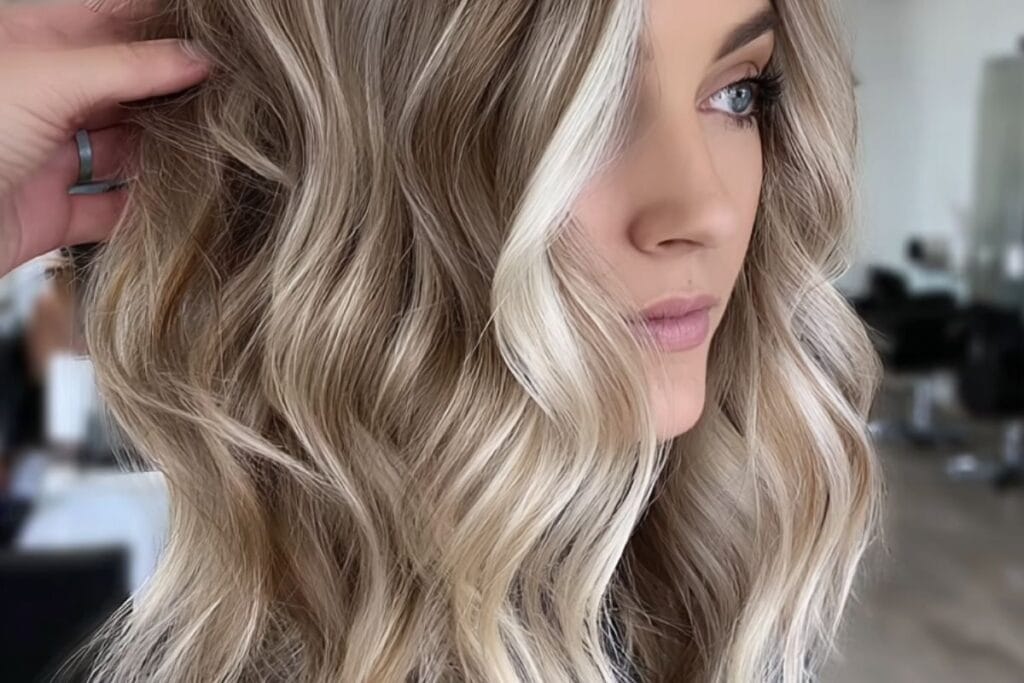
Wavy hair looks great for one day, then goes flat at the roots and frizzy at the ends. Here’s a routine built for waves, not straight hair or tight curls. Wavy hair has main character energy for exactly one day. Then it goes flat at the roots and frizzy at the ends, and you’re not sure why.
Here’s what’s usually going on. You’re either treating your waves like straight hair, brushing it dry and skipping products, or you’re going too hard the other way with a full curly girl routine built for tighter curls. Both miss the mark. Wavy hair is its own thing. It sits between straight and curly, and it needs a routine built just for that in between spot.
This post may contain affiliate links, which means I’ll receive a commission if you purchase through my links, at no extra cost to you. Please read full disclosure for more information.
This guide walks you through a simple hair care routine for wavy hair, from washing to drying to what you do before bed. It’s built for fine 2A waves, classic 2B waves, and thicker 2C waves. Pick out what fits your hair and skip the rest.
How to Tell If You Have 2A, 2B, or 2C Wavy Hair
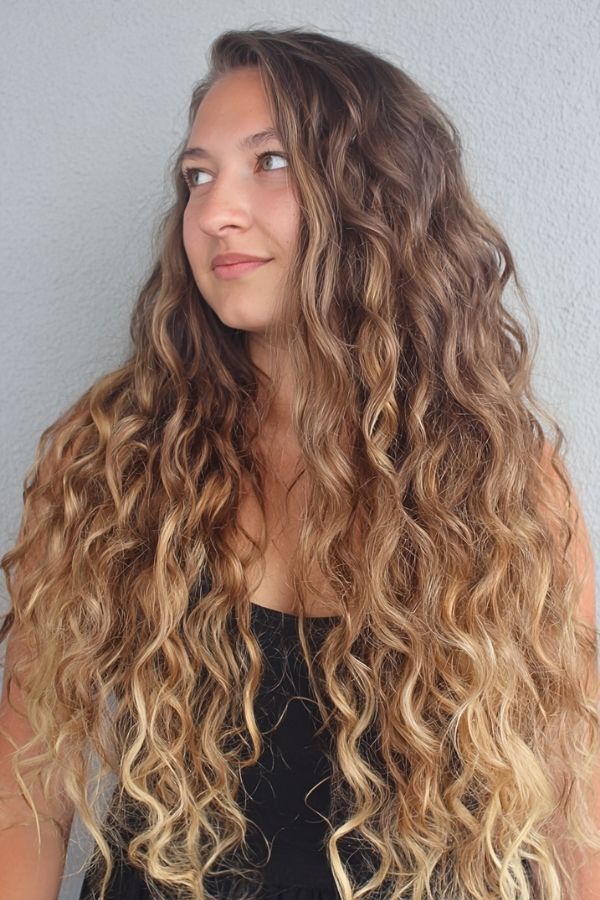
Before you change anything about your routine, it helps to know which kind of wave you’re working with. Wavy hair falls under “Type 2,” and it splits into three loose groups.
- 2A is fine and thin. It’s easy to weigh down. A little product goes a long way, and too much will flatten it fast.
- 2B is the classic S shaped wave. It’s a bit more prone to frizz than 2A.
- 2C is thicker, and the wave often starts right at the scalp. This type frizzes the most and needs the most product to hold its shape.
Porosity matters too. Low porosity hair takes longer to dry and gets weighed down easily. High porosity hair soaks up water fast and frizzes fast. You can get a rough sense of your porosity by watching how long your hair takes to dry after a wash. Quick to dry usually means higher porosity. Long to dry usually means lower porosity.
A lot of wavy hair guides break the type down into three loose categories like this, and matching your products to which one you are tends to make the biggest difference in how your routine actually performs.
Here’s why this matters so much. Picture someone with fine 2A waves using a rich curl butter made for thick 2C hair. By noon, their roots are greasy and flat. Now picture them switching to a light mousse instead. Suddenly they’ve got lift again. Same person, same hair, completely different result, just from matching the product to the type.
The Wash Day Routine That Actually Works for Waves
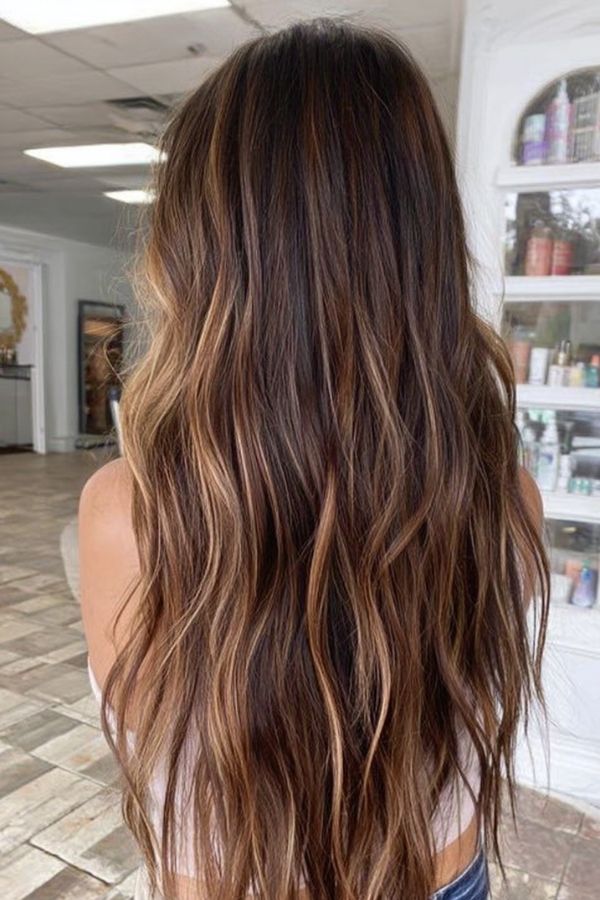
The most common mistake with wavy hair isn’t how often you wash it. It’s how you wash it.
Start with a gentle shampoo, ideally one without sulfates. Focus it on your scalp, not the full length of your hair. Massage it in, then let the suds rinse down through the rest of your hair as you wash it out. You don’t need to scrub the ends, they’ll get plenty clean from the runoff.
Follow with conditioner, and be generous with it on your mid lengths and ends. Here’s why that matters. Wavy hair’s bend makes it harder for natural oil to travel down the strand the way it does on straight hair. That’s why your roots can feel oily while your ends stay dry, even on the same head of hair. Dermatologists generally suggest washing textured or wavy hair less often than straight hair, since over washing tends to strip the oil your waves need to hold their shape.
Detangle while the conditioner is still in, using a wide tooth comb or just your fingers. Work from the bottom up, not the top down. Starting at the roots just pushes tangles further down and makes a bigger mess.
If frizz is a constant fight for you, it might be worth trying a full curly girl approach. That means cutting out sulfates and silicones completely. It’s not required for looser waves, but some people with 2B and 2C hair find it makes a real difference.
Real talk: if you’re washing daily because your scalp feels greasy, that grease might be a side effect of washing too much, not too little. Try cutting back to every other day for two weeks and see what happens before you assume your hair is just “an oily type.”
How to Dry Wavy Hair Without Losing the Wave
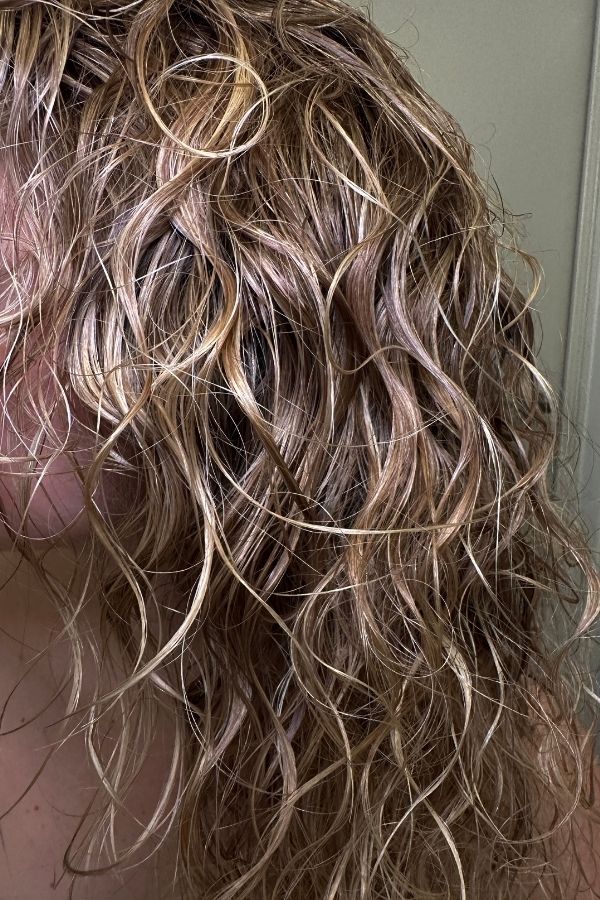
You know the feeling. Your hair looks amazing right out of the shower, and an hour later it’s frizzy and shapeless. The drying process is usually where things go wrong, not the wash.
First rule: never rub your hair dry with a towel. It’s tempting, but it rough s up the hair and causes frizz. Dermatologists commonly recommend wrapping hair in a towel to blot the water out instead of rubbing it, since rough drying is one of the easiest ways people accidentally cause frizz and damage without realizing it. A microfiber towel or an old cotton t shirt works better than a regular bath towel here.
Once you’ve blotted out the extra water, try plopping. It’s simple:
- Lay a t shirt flat on a table, with the sleeves and collar closest to you.
- Apply your leave in and styling product to soaking wet hair, before you’ve blotted anything out.
- Flip your head forward and place your hair in the center of the shirt.
- Wrap the shirt around your hair and tie or twist it snug on top of your head.
- Leave it for 10 to 15 minutes while you get ready.
This step tends to boost definition and cut your drying time down. After that, you can let your hair air dry, or diffuse it on low heat using the cup and hover method. This means cupping sections of hair in your hand and lifting them toward the diffuser instead of just aiming the dryer at your head. Air drying works fine too, but a lot of people find diffusing locks the shape in better before gravity has a chance to pull the wave flat.
One more thing that makes a bigger difference than people expect: apply your styling product to hair that’s still dripping wet, not hair you’ve already towel dried. Product on soaked hair traps moisture in before frizz has a chance to start.
The Best Products for Wavy Hair (Based on Your Type)

You don’t need fifteen products. You need the right two or three for your specific wave.
Start with a leave in conditioner on wet hair, before anything else. This one’s close to non negotiable for wavy hair. Skip it and you’ll usually notice your hair feels straw like and harder to manage by the end of the day.
After that, it comes down to your type:

- Fine, 2A waves: reach for mousse over gel or cream. It’s lighter, so it won’t drag your waves flat.
- 2B waves: a light gel or curl cream usually gives enough hold without weighing things down.
- Thick, 2C waves: you can generally handle richer creams and even a bit of oil on your ends. Lighter products often just sit on top of thick hair without doing much.

Basically here’s a good way to picture it. Two friends use the exact same shampoo and conditioner but get totally different results. One has fine 2A hair and switches to mousse, and her roots stay lifted all day. The other has thick 2C hair and needs a heavier cream just to see any curl definition at all. Same products, different hair, different outcome. That’s why “best products for wavy hair” really means best for your type, not one universal answer.
If you’re using any heat at all, even low heat on a diffuser, a light heat protectant is worth the extra step. It’s a small habit that a lot of people skip and then wonder why their ends look rougher over time.
3 Nighttime Habits That Protect Your Waves
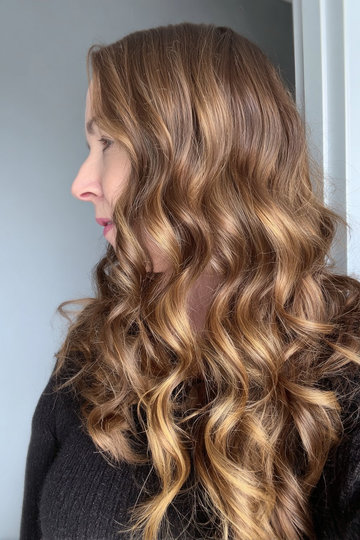
Your routine doesn’t end when your hair dries. What you do at night matters just as much.
- Switch your pillowcase. Cotton creates friction while you sleep, and that friction tends to flatten waves and cause tangles by morning. A silk or satin pillowcase, or even a silk scarf if a whole pillowcase isn’t in the budget, cuts down on that friction. A lot of people who make this switch say their waves hold up noticeably better overnight.
- Try a loose pineapple or loose bun. Gather your hair loosely on top of your head before bed. This protects the shape without creating tight creases or pulling on your scalp.
- Make sure your hair is dry before you sleep. Going to bed with soaking wet hair usually leads to worse tangles and frizz than finishing the drying process first.
If you’ve ever woken up with one flat side and couldn’t figure out why, it’s often the pillowcase, not the products. That one detail trips up more people than you’d expect.
Your Simple Wavy Hair Routine Cheat Sheet
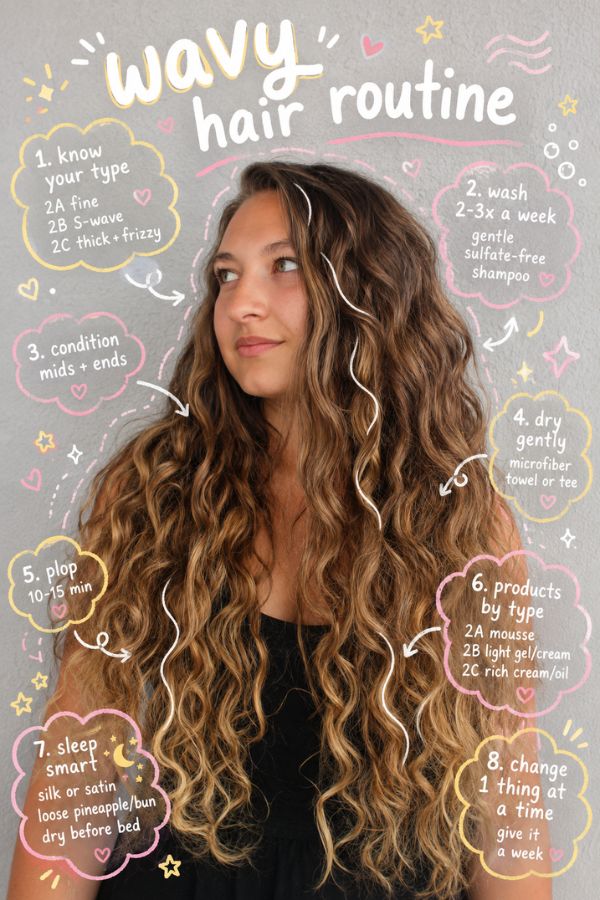
Here’s the whole thing put together, so you can save it or screenshot it.
- Wash 2 to 3 times a week with a gentle, sulfate free shampoo on your scalp only.
- Condition your mid lengths and ends generously.
- Detangle with a wide tooth comb or your fingers while conditioner is still in, working bottom to top.
- Apply leave in conditioner to soaking wet hair.
- Scrunch in mousse or gel, based on your wave type.
- Plop for 10 to 15 minutes, then air dry or diffuse on low.
- Sleep on silk, or in a loose pineapple or bun.
This is a starting point, not a rulebook. Try it for a full week before you judge the results. Wavy hair usually needs a few wash cycles to show its real pattern, especially if you’re coming off years of over washing or heat styling. Once you’ve got the basics down, adjust one thing at a time, like how much product you use or how long you plop, instead of changing everything at once.
Wavy hair isn’t high maintenance. It’s specific. Once you know your type, wash less often than you think you need to, dry it gently, and pick products that match your texture, most of the work is already done.
You don’t need to overhaul your whole routine tonight. Pick one thing from this guide, maybe a microfiber towel, maybe plopping, and try it on your next wash day. That’s really all a solid hair care routine for wavy hair needs to be: consistent, light, and built around your specific wave.
Try one change this week. See how your waves respond before you add anything else.